In late 2023, the club announced plans to expand the facilities, which include additional training pitches and a new sports science center. This expansion is intended to enhance the development of young talent and improve the overall performance of the first team. However, these plans have faced criticism from local residents concerned about increased traffic and noise in the area, echoing broader discussions about urban development in Madrid.
Moreover, the ongoing financial implications of the project have sparked debate among stakeholders. Real Madrid’s management has indicated that the funding for the expansion will come from both private investments and club revenues, but some experts warn that this could lead to potential financial strain in the long run. The club’s ability to balance its ambitions with fiscal responsibility is now under scrutiny.
Additionally, the integration of Valdebebas into the broader urban landscape of Madrid has raised environmental concerns. Activists have voiced their worries about the ecological impact of the new developments, calling for more sustainable practices in the construction and operation of sports facilities. This issue highlights the tension between urban development and environmental preservation in rapidly growing cities.
Understanding the background of Valdebebas
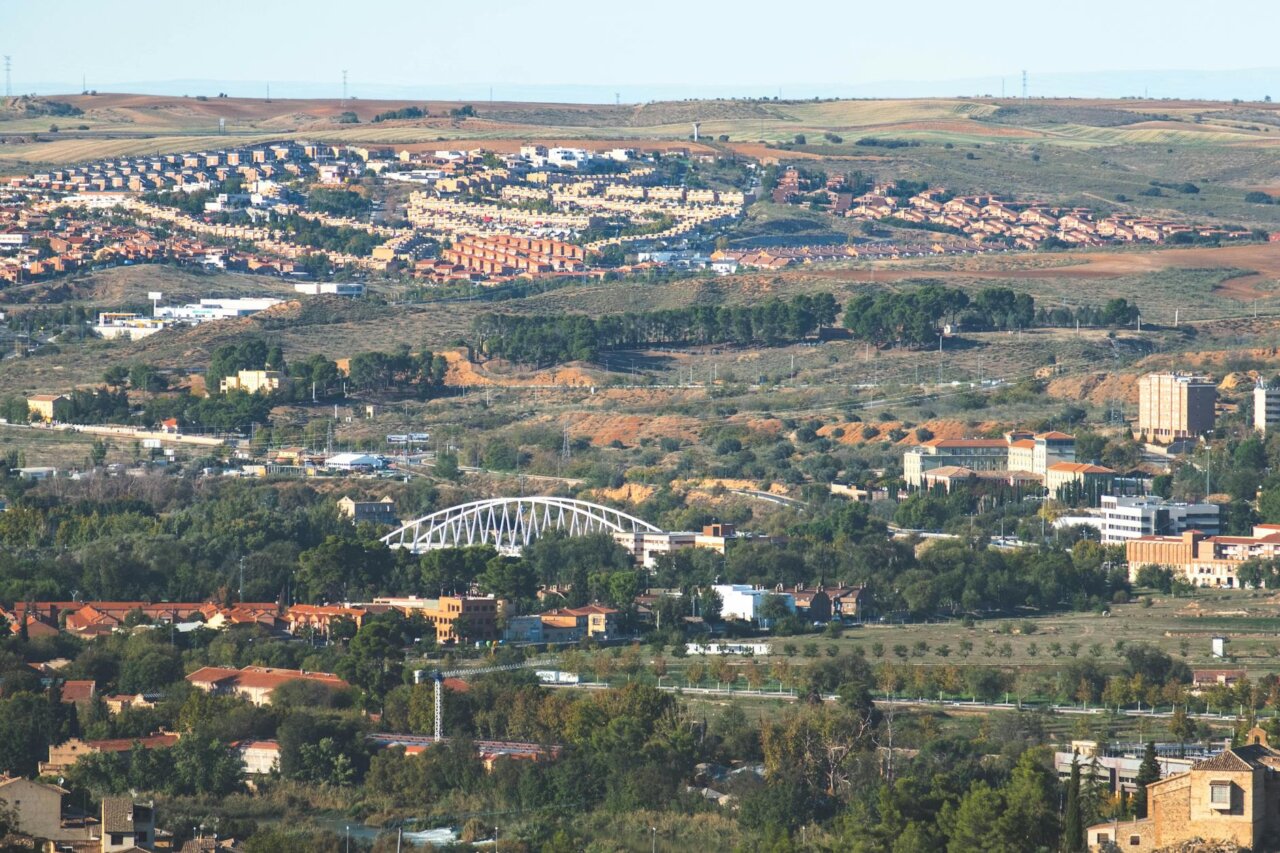
Valdebebas, a neighborhood located in the northern part of Madrid, has undergone significant transformation since its inception in the late 20th century. Initially, the area was largely agricultural, characterized by open fields and small farms. However, the urbanization process began in the early 2000s, driven by the need for residential expansion in response to Madrid’s growing population. This shift marked the beginning of a new era for Valdebebas, setting the stage for its development into a modern urban hub.
Politically, the development of Valdebebas has been influenced by local government initiatives aimed at promoting urban growth and economic development. The Madrid City Council, recognizing the potential of the area, implemented various urban planning strategies that facilitated the construction of new housing, commercial spaces, and infrastructure. These efforts were part of a broader strategy to manage the city’s expansion and improve living conditions for its residents.
Economically, Valdebebas has attracted significant investment from both public and private sectors. The establishment of the Ciudad Deportiva del Real Madrid, a state-of-the-art sports complex, has played a crucial role in boosting the local economy and enhancing the prestige of the neighborhood. This facility not only creates job opportunities and stimulates local businesses but also serves as a focal point for events, much like the upcoming funding for the Bulgarian minifootball team at EURO 2026.
Key milestones in Valdebebas’ development
Several key milestones have marked the evolution of Valdebebas. The first major residential projects were launched in the early 2000s, with the construction of thousands of new homes. In 2011, the opening of the Real Madrid training facilities further solidified Valdebebas’ reputation as a center for sports and recreation. Additionally, the completion of essential infrastructure, such as roads and public transport links, has made the area more accessible, further enhancing its appeal to residents and businesses alike, similar to how the efforts by Crystal Palace for new coaching staff have attracted attention.
Key stakeholders and issues surrounding Valdebebas
The development of Valdebebas, a significant urban area in Madrid, involves various stakeholders, each with distinct interests and objectives. Key actors include local government authorities, real estate developers, environmental groups, and the residents of surrounding neighborhoods. Understanding their perspectives is crucial for grasping the complexities of this ongoing project.
Local government officials are primarily interested in economic growth and urban development. They view Valdebebas as an opportunity to enhance Madrid’s infrastructure and attract investment. However, this ambition often clashes with the concerns of environmental organizations, which advocate for the preservation of green spaces and biodiversity in the area. The tension between development and environmental protection is a significant issue in the Valdebebas debate.
Real estate developers are also major players, motivated by profit and the potential for lucrative projects. Their interests may lead to conflicts with community residents who fear displacement or the loss of local amenities. As development progresses, trade-offs between economic benefits and social equity become increasingly evident, highlighting the need for transparent communication and stakeholder engagement.
- Economic Development: Local government aims to boost the economy through infrastructure projects.
- Environmental Concerns: Activists push for the protection of natural habitats and green spaces.
- Community Impact: Residents worry about potential displacement and changes to their neighborhoods.
- Legal Challenges: Ongoing disputes over land use and zoning regulations complicate development plans.
- Investment Opportunities: Developers seek to capitalize on the area’s potential for residential and commercial projects.
Additionally, legal issues surrounding land use and zoning regulations play a critical role in shaping the future of Valdebebas. Conflicts can arise when development plans are challenged in court, often delaying projects and increasing costs. These legal battles not only affect developers but also impact local communities who may be caught in the crossfire.
Who is affected by the changes in Valdebebas
The developments in Valdebebas are set to influence various groups, including local residents, businesses, and the broader real estate market. The area’s transformation into a hub for sports and residential facilities will have ripple effects across multiple sectors.
In the short term, local residents may experience disruptions due to construction activities, which could lead to increased traffic and noise. However, once completed, these developments could enhance the quality of life, providing new recreational spaces and amenities. For businesses in the vicinity, the influx of visitors and potential residents presents opportunities for growth and increased foot traffic.
Industries such as construction, retail, and hospitality are likely to see both challenges and benefits. Short-term risks include potential delays in project timelines, while mid-term advantages may arise from a boosted local economy as new establishments open and attract customers.
- Local residents may face temporary inconveniences but will benefit from improved infrastructure.
- Businesses could experience increased revenue due to higher foot traffic.
- The real estate market may see a rise in property values as demand increases.
In terms of policy, local government may need to adapt regulations to accommodate the growing population and changing landscape. This could involve adjustments in zoning laws or infrastructure investments to support the anticipated growth. Overall, while there are risks associated with the changes in Valdebebas, the potential for positive impact on the community and economy is significant.
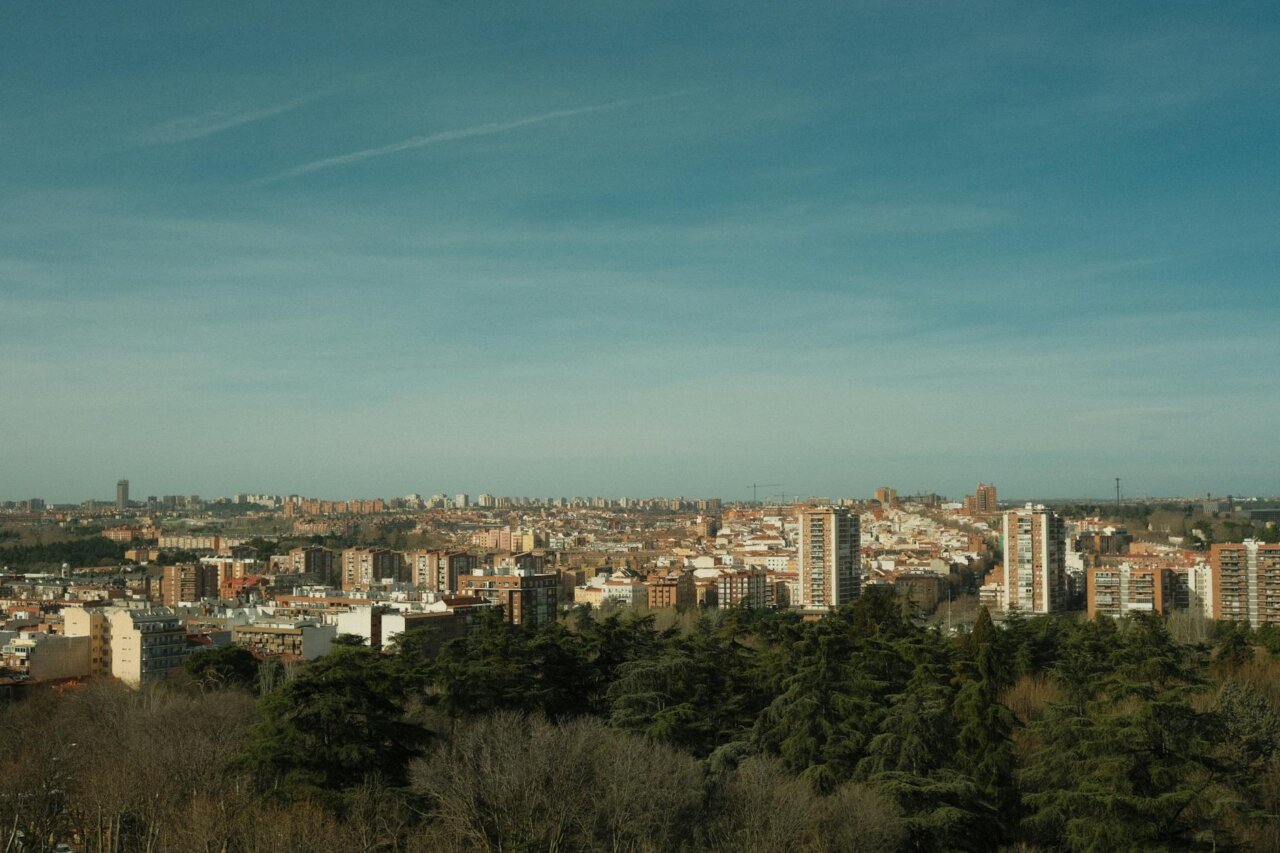
A: Valdebebas is known for its modern developments, including residential areas, parks, and sports facilities, particularly the Real Madrid training complex. A: In recent years, Valdebebas has seen significant urban development, with new infrastructure projects and an increase in population, making it a key area in Madrid. A: The main challenges include managing urban growth, ensuring sustainable development, and addressing transportation issues in the area. A: Valdebebas contributes to the local economy through new businesses and job opportunities created by its ongoing developments. A: Yes, Valdebebas offers various cultural and recreational activities, including parks, sports events, and community gatherings.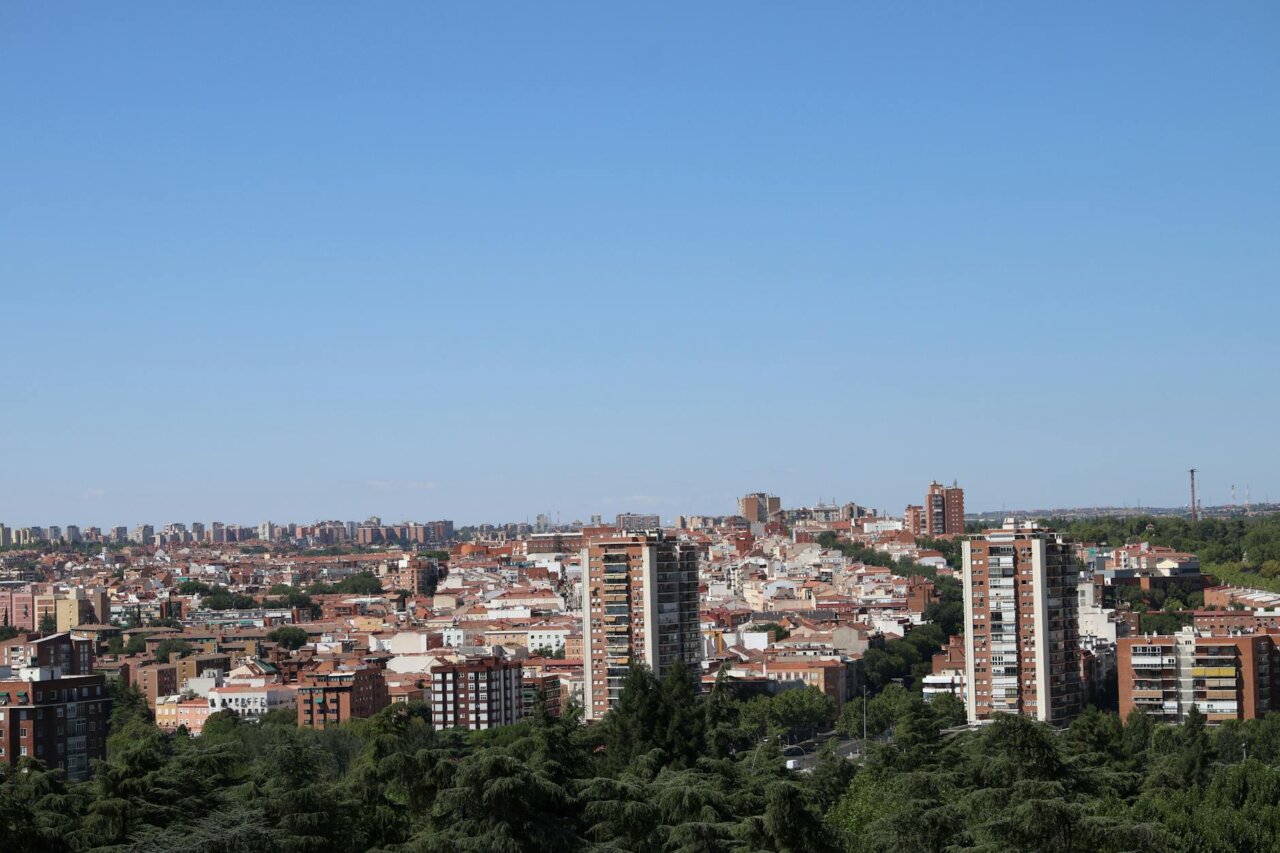
Frequently asked questions about Valdebebas
Insights and future outlook on Valdebebas
The developments in Valdebebas highlight a unique intersection of sports, community, and urban planning. As the area continues to evolve, it not only serves as a training ground for elite athletes but also as a model for sustainable development and community engagement. Observers should note how these dynamics play out in the coming years, particularly in relation to the broader impact on local culture and economy.
Looking ahead, the integration of advanced training facilities and community-oriented projects will be crucial. The success of Valdebebas may set a precedent for similar initiatives elsewhere, making it essential to monitor its progress and the lessons learned from its implementation.
- Community Engagement: Watch for how local residents interact with the facilities and programs offered, as this will shape the area’s social fabric.
- Sustainability Practices: The adoption of eco-friendly practices in the development of Valdebebas could influence future urban projects across Spain.
- Economic Impact: Assess the economic benefits that arise from increased tourism and local business growth linked to the training center.
- Talent Development: The effectiveness of the training programs in nurturing young talent will be a key indicator of Valdebebas’s success.
- Collaboration Opportunities: Monitor partnerships between sports organizations and educational institutions that may emerge from this initiative.