The renewed rights deal comes at a time when the Premier League is experiencing a surge in global popularity, particularly in Latin America. With a rich history of soccer culture, countries such as Brazil, Argentina, and others in the Caribbean have shown a growing appetite for high-quality football coverage, making this extension a strategic win for ESPN. For insights on how these developments might affect your fantasy picks, check out this article.
Details of the agreement were not fully disclosed, but sources indicate that it includes a multi-year commitment that will enhance ESPN’s portfolio of sports programming. The deal is expected to include not only live match broadcasts but also in-depth analysis and commentary, catering to the passionate fanbase in these regions.
This extension is particularly important as it aligns with the Premier League’s efforts to expand its reach and engage with international audiences. As the league continues to attract top talent and generate substantial viewership, partnerships like this one with ESPN play a crucial role in maintaining its global presence.
Understanding the significance of Premier League rights in the region
The Premier League, known for its competitive matches and high-profile players, has become a significant cultural phenomenon in South America and the Caribbean. Over the years, the league has garnered a large following, with fans eagerly tuning in to watch their favorite teams compete. This interest has made the broadcasting rights for the league highly coveted, as they represent not only a source of entertainment but also a substantial revenue stream for networks. This growing interest echoes the buzz surrounding major transfers in the league.
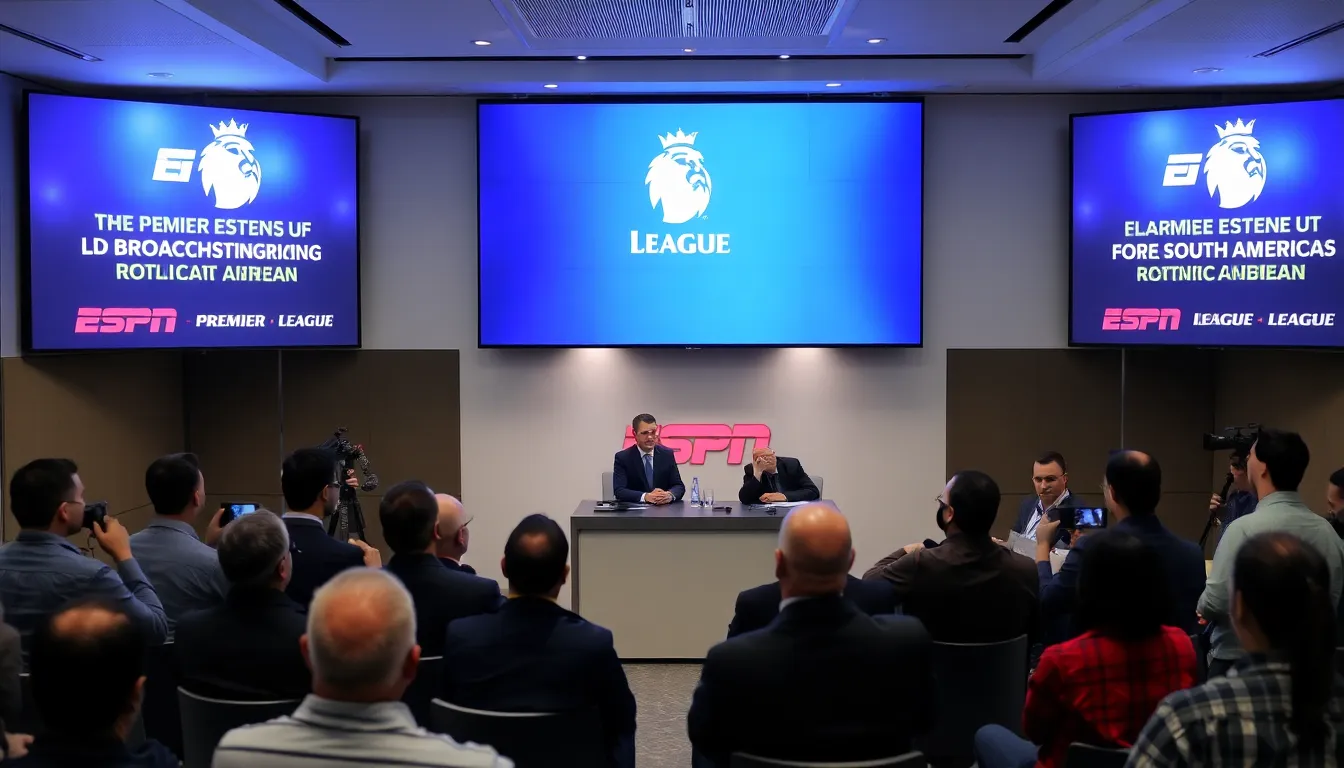
Historically, the distribution of Premier League matches in South America has evolved significantly. In the early 2000s, the league’s matches were primarily available through cable networks, but the rise of digital streaming platforms has transformed how audiences consume sports content. This shift has increased competition among broadcasters, leading to lucrative bidding wars for broadcasting rights. ESPN’s recent extension of its Premier League rights reflects this ongoing evolution and the network’s commitment to providing top-tier sports content to its viewers.
The economic impact of sports broadcasting rights
The economic implications of acquiring sports broadcasting rights extend beyond mere viewership numbers. For ESPN, securing the Premier League rights allows the network to attract advertisers and sponsors keen on reaching the passionate football fanbase in the region. Furthermore, the investment in premium content can enhance subscriber growth and retention, crucial for maintaining a competitive edge in the crowded media landscape.
Moreover, the political climate in many South American countries has also played a role in shaping sports broadcasting. Governments have sometimes intervened in media rights negotiations, aiming to ensure that local audiences have access to popular sporting events. This can lead to complex negotiations that affect how and when matches are broadcast, adding another layer of significance to ESPN’s recent deal. Related discussions on player movements and acquisitions can be found in this piece.
In conclusion, the extension of ESPN’s Premier League rights is not merely a business decision; it is a reflection of the intricate interplay of cultural, economic, and political factors that shape sports broadcasting in South America and the Caribbean. As the region continues to embrace the Premier League, the stakes for broadcasters will only grow higher.
Key stakeholders and the implications of this extension
The recent decision by ESPN to extend its Premier League TV rights for South America and the Caribbean involves several key stakeholders, each with distinct interests and potential conflicts. Primarily, ESPN, a major sports broadcasting network, aims to enhance its market share and revenue through exclusive content offerings. The Premier League itself benefits from increased visibility and engagement in these regions, driving global brand recognition and fan loyalty.
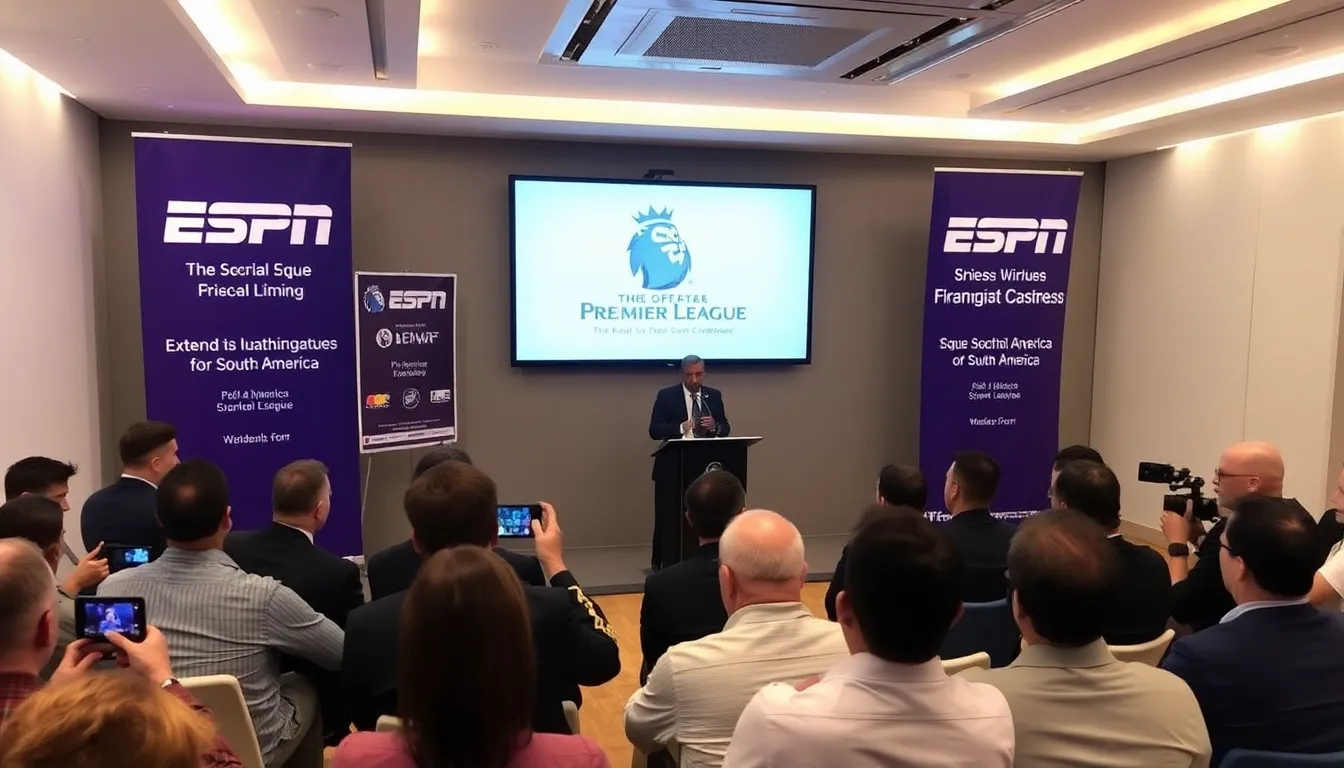
Moreover, local broadcasters and cable providers may find themselves at a disadvantage due to ESPN’s monopoly over Premier League content. This could lead to increased competition for viewership and advertising revenue, as ESPN’s exclusive rights may limit options for other networks. Additionally, governments and regulatory bodies in South America and the Caribbean have a vested interest in ensuring fair access to sports programming for their citizens, which could spark discussions around media rights regulations and broadcasting standards.
Key issues arising from this extension include:
- Market Competition: ESPN’s dominance could stifle competition, impacting smaller broadcasters and potentially leading to higher subscription costs for consumers.
- Consumer Access: The exclusivity of the rights may limit access for sports fans who rely on alternative platforms for viewing content.
- Economic Impact: The financial implications for local economies, particularly in terms of advertising revenue and sponsorship opportunities, should be considered.
- Regulatory Scrutiny: Governments may need to assess whether the extension aligns with fair trade practices and consumer protection laws.
Understanding these dynamics is crucial for stakeholders as they navigate the evolving landscape of sports broadcasting in South America and the Caribbean. The balance between maximizing revenue and ensuring fair access for consumers will be a central theme in discussions surrounding this extension.
How this decision affects fans and the sports market
The extension of ESPN’s Premier League TV rights for South America and the Caribbean has significant implications for various stakeholders in the sports industry. Primarily, football fans in these regions will continue to have access to live matches, enhancing their viewing experience and engagement with the league. This decision solidifies ESPN’s position as a key player in sports broadcasting, which can lead to a more competitive market.
In the short term, fans will benefit from uninterrupted access to their favorite teams and players, fostering a sense of community and excitement around the matches. The availability of Premier League content can also drive increased viewership, leading to higher advertising revenues for ESPN. As a result, businesses that rely on sports advertising, such as local bars and restaurants, may see a boost in patronage during match days.
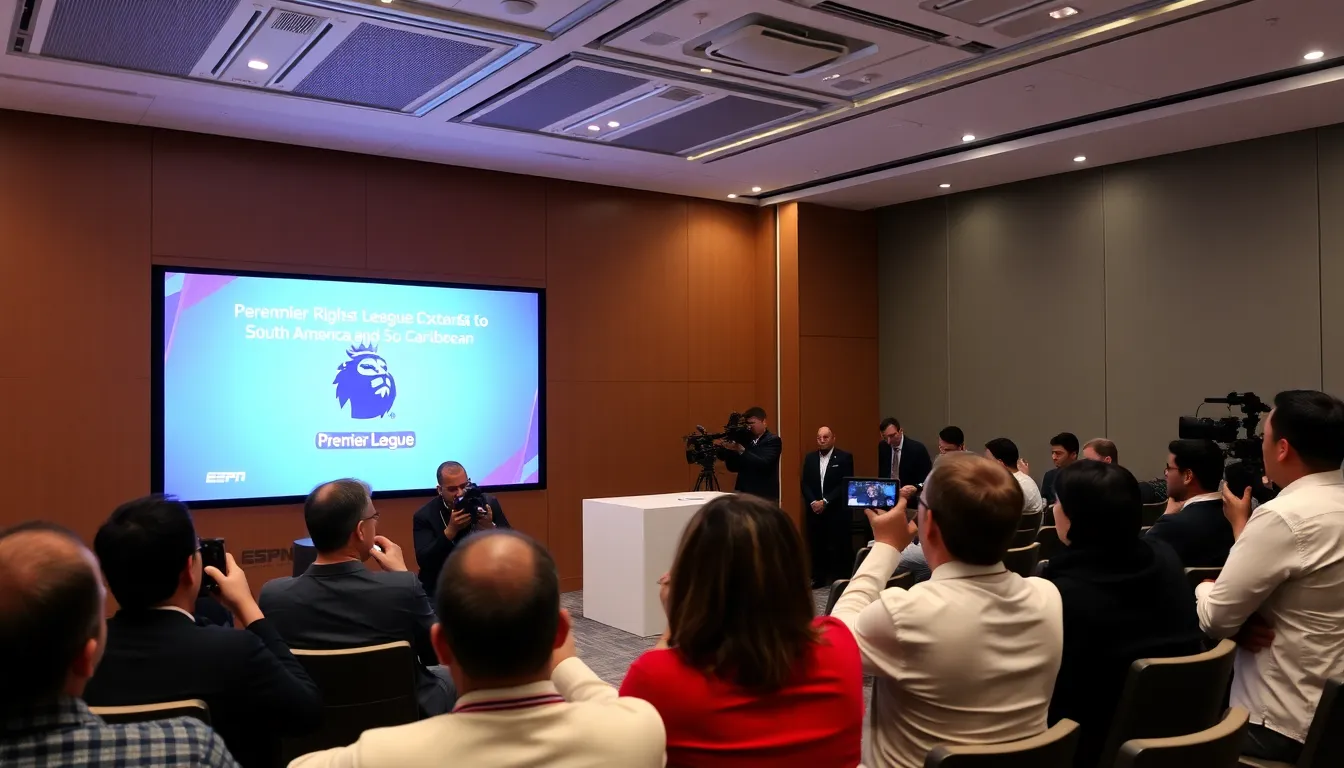
In the mid-term, this decision could lead to increased investment in local sports programming and related businesses. Companies that provide services such as sports merchandise, travel packages for fans attending matches, and even local sports leagues may experience growth opportunities. However, there are also risks associated with this extension, including potential backlash from fans if the quality of coverage does not meet expectations.
- Fans gain continued access to Premier League matches.
- Increased advertising revenues for ESPN and local businesses.
- Potential growth for local sports-related industries.
- Risks of dissatisfaction if coverage quality declines.
Furthermore, this decision may influence policy discussions around sports broadcasting rights and regulations in the region. As the demand for high-quality sports content grows, stakeholders may advocate for more favorable terms in future negotiations, impacting how sports media rights are structured across South America and the Caribbean.
A: The extension ensures that viewers in South America and the Caribbean will continue to have access to Premier League matches, enhancing their viewing experience. A: The details of the duration have not been disclosed, but typically such agreements last several years. A: While specific changes have not been announced, ESPN may introduce new features or programming to enhance viewer engagement. A: This extension may limit opportunities for other broadcasters to secure Premier League rights, impacting their programming strategies. A: ESPN is continually exploring opportunities to expand its sports broadcasting portfolio, but specific details have not been released.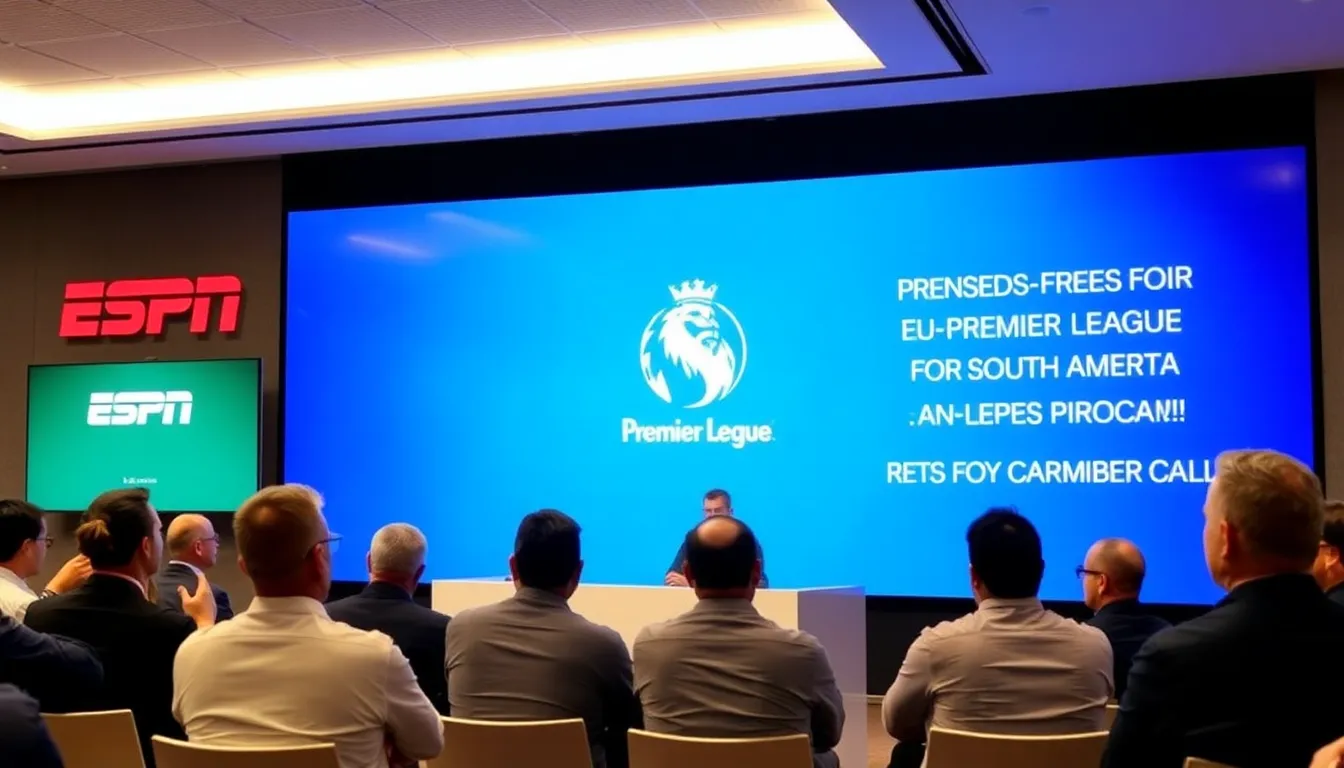
Frequently asked questions about the Premier League TV rights
Looking ahead: What this means for the future of sports broadcasting
The extension of ESPN’s Premier League TV rights for South America and the Caribbean signifies a strategic move that could reshape the competitive landscape of sports broadcasting in these regions. As viewership for Premier League matches continues to grow, this deal not only reinforces ESPN’s commitment to delivering high-quality sports content but also highlights the increasing value of football in global markets.
In the coming years, stakeholders in the sports broadcasting industry should closely monitor how this agreement influences viewer engagement, advertising revenues, and potential partnerships. The implications of this deal may extend beyond just football, potentially affecting how other sports leagues negotiate their broadcasting rights in similar markets.
- Expect an increase in localized content and programming tailored to South American and Caribbean audiences.
- Watch for potential shifts in advertising strategies as brands seek to capitalize on the growing viewership.
- Consider the impact on competing networks and how they might respond to retain or grow their audience share.
- Monitor the evolution of digital streaming options as ESPN may expand its offerings to cater to younger, tech-savvy viewers.
- Pay attention to how this deal influences the overall investment landscape in sports broadcasting rights across various leagues.