The financial report, released on March 1, 2023, highlights not only the profit but also an increase in revenue, driven largely by ticket sales and successful merchandise operations. The club’s ability to maintain a solid fanbase and capitalize on matchday revenues has been pivotal in achieving these results, as detailed in our article on recent matchday successes. Additionally, the ongoing success of the team in domestic competitions has bolstered attendance and engagement.
Furthermore, Celtic’s financial stability is crucial as it navigates the competitive landscape of Scottish football and prepares for potential investments in player acquisitions and infrastructure. The club’s management has emphasized the importance of balancing financial prudence with ambition on the pitch, aiming to enhance both performance and profitability moving forward.
This financial performance not only strengthens Celtic’s position within the Scottish Premiership but also enhances its attractiveness to potential sponsors and partners. As the club looks ahead, maintaining this momentum will be essential for future growth and success, particularly in the context of European competitions where additional revenue opportunities exist.
Understanding the financial landscape of Celtic Football Club
Celtic Football Club, founded in 1887, has a storied history that intertwines with the cultural and social fabric of Glasgow, Scotland. As one of the most successful and popular football clubs in the world, Celtic has not only been a powerhouse on the pitch but also a significant player in the economic landscape of Scottish football. The club’s financial health is often a reflection of its performance, fan engagement, and broader economic conditions.
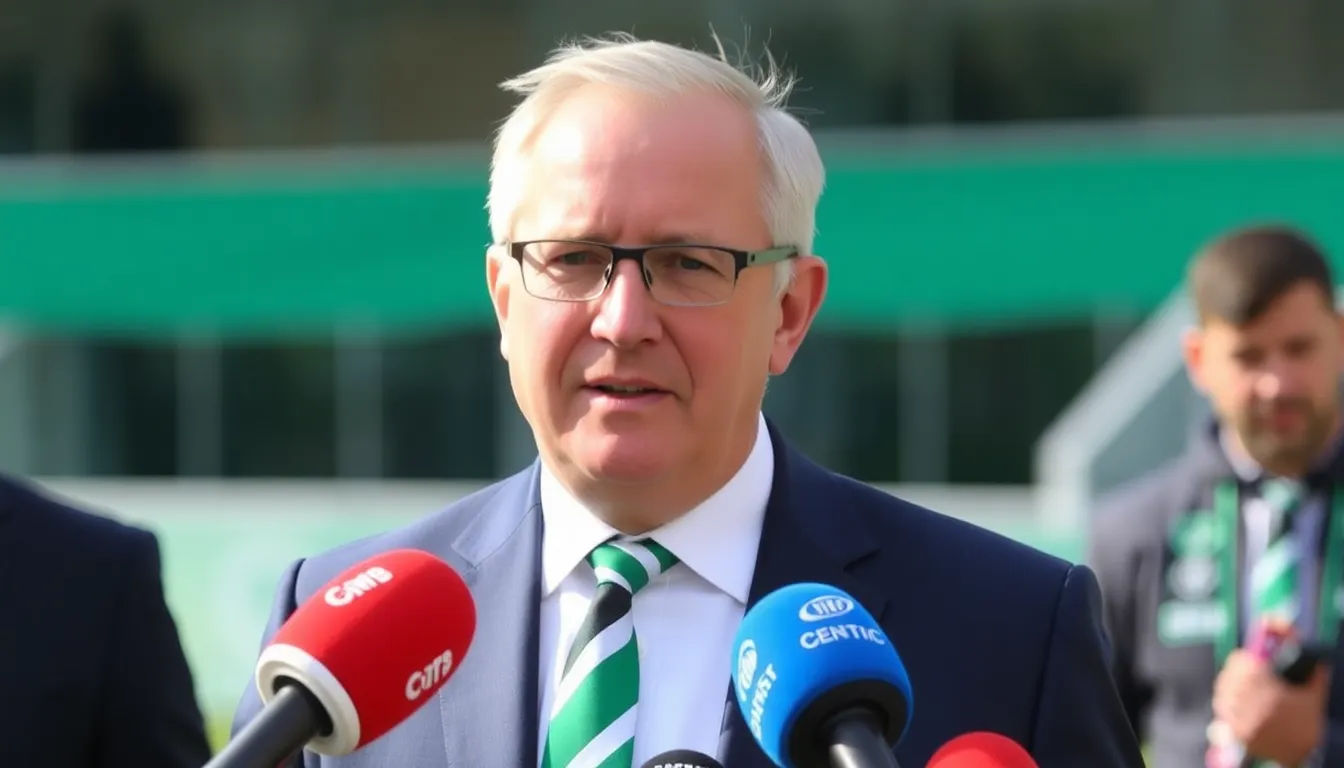
The recent announcement of a £13.2 million pre-tax interim profit marks a significant milestone for the club, especially in the context of the challenges faced by many football organizations in recent years. The COVID-19 pandemic had a profound impact on the football industry, leading to reduced matchday revenues, decreased merchandise sales, and increased operational costs. Celtic, like many clubs, had to navigate these turbulent waters while maintaining its competitive edge in both domestic and European competitions.
Key Milestones in Celtic’s Financial Journey
Historically, Celtic’s financial stability has been bolstered by several key factors. The club’s successful run in the UEFA Champions League has not only enhanced its reputation but also significantly increased its revenue streams through broadcasting rights and sponsorship deals. Furthermore, the establishment of a strong youth academy has allowed Celtic to develop and sell homegrown talent, providing an additional financial boost.
In recent years, the club has made strategic investments in its infrastructure, including the redevelopment of Celtic Park and improvements to training facilities. These initiatives have not only improved the club’s operational efficiency but have also enhanced the overall experience for fans, thereby driving further revenue growth. As Celtic continues to adapt to the evolving landscape of football finance, its ability to balance tradition with innovation will be crucial for sustaining its success.
Key factors influencing Celtic’s financial success
Celtic Football Club’s recent announcement of a £13.2 million pre-tax interim profit highlights several key stakeholders involved in its financial performance. These stakeholders include the club’s management, players, fans, sponsors, and the broader football community. Each group has distinct interests that can influence the club’s strategic decisions and financial outcomes.
The club’s management is primarily focused on maximizing profitability while ensuring competitive performance on the field. Their interests often align with maintaining a strong squad, which can attract more fans and increase matchday revenues. However, this can create a trade-off between investing in player acquisitions and managing operational costs.
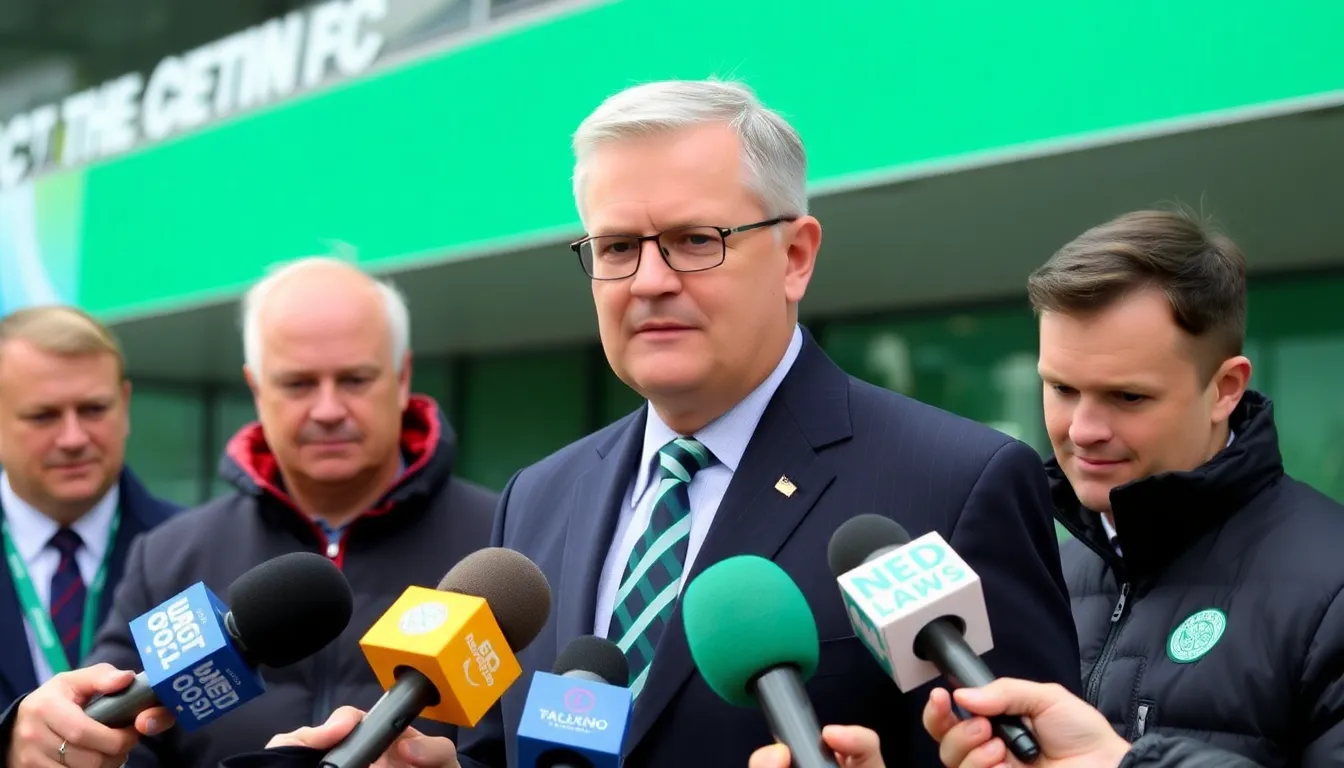
Fans play a crucial role as they are the lifeblood of the club, contributing to matchday revenues through ticket sales and merchandise. Their loyalty can be influenced by the team’s performance and the club’s transparency regarding financial decisions. A disconnect between management and fan expectations can lead to conflicts, particularly if fans perceive a lack of investment in the team.
- Sponsorship deals: The club’s ability to secure lucrative sponsorship agreements can significantly impact financial health, providing essential funding for operations and player investments.
- Player transfers: The decision to buy or sell players can create economic opportunities but also risks, especially if high-profile transfers do not yield expected performance outcomes.
- Regulatory environment: Compliance with financial fair play regulations is crucial, as failure to adhere could lead to sanctions that affect the club’s operations and reputation.
Additionally, the economic landscape surrounding football, including broadcasting rights and merchandise sales, plays a pivotal role in influencing Celtic’s financial success. Changes in viewer habits or economic downturns can impact revenue streams, compelling the club to adapt its strategies accordingly.
How this profit affects stakeholders and the market
The recent announcement of a £13.2 million pre-tax interim profit by Celtic Football Club has significant implications for various stakeholders, including fans, investors, and local businesses. The financial success of the club not only reflects its robust performance but also indicates a positive outlook for the sports and entertainment industry in Scotland, similar to the buzz surrounding prominent sporting events.
Fans of Celtic will likely experience enhanced matchday experiences as the club may reinvest profits into improving facilities and services. This could lead to better amenities at Celtic Park, increased engagement through community programs, and potentially more competitive squad acquisitions, which can elevate the overall quality of play and fan satisfaction.
Local businesses, particularly those in hospitality and retail, stand to benefit from increased foot traffic on match days. As more fans attend games, nearby restaurants, bars, and shops may see a surge in sales. This short-term boost can lead to job creation and economic stability in the surrounding areas, fostering a more vibrant local economy.
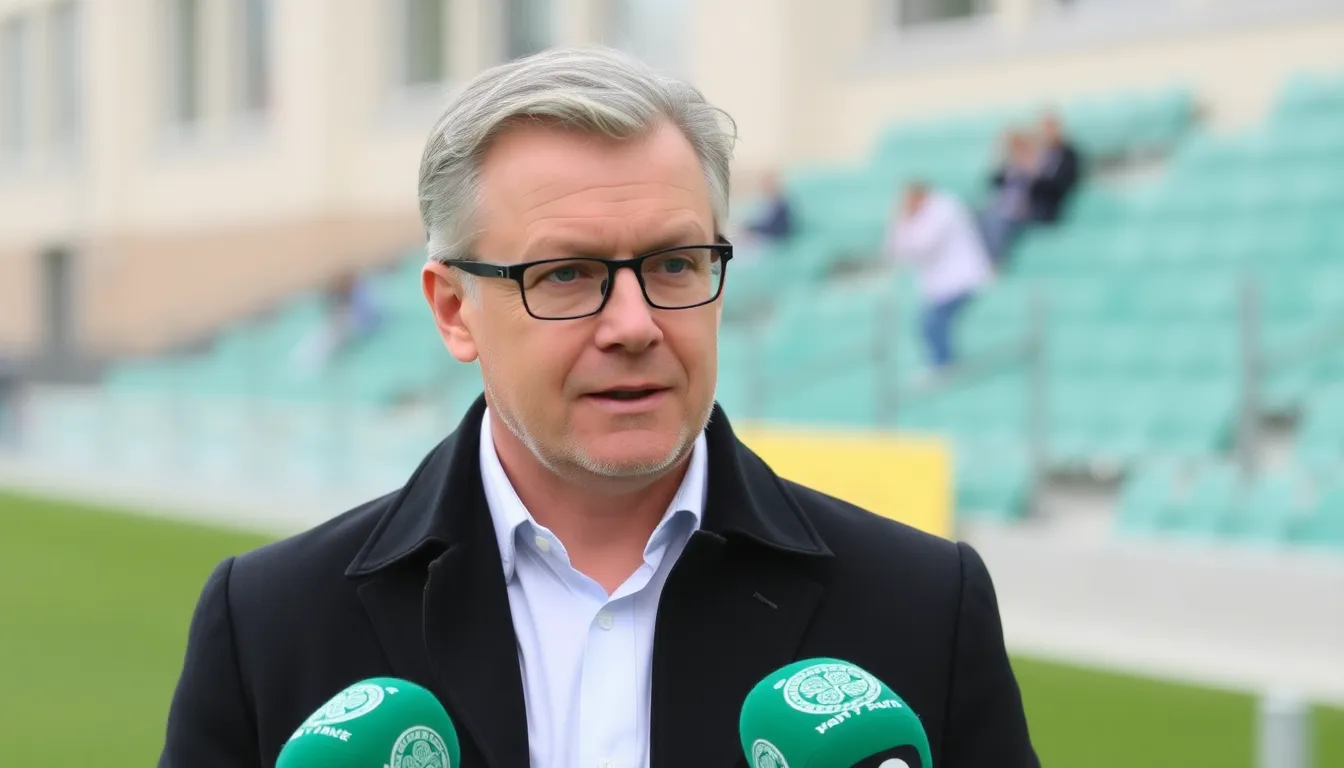
- Increased investment in club facilities and community programs.
- Boost in local business revenues due to increased matchday attendance.
- Potential for enhanced sponsorship and partnership opportunities.
However, there are also risks associated with this profit. If the club does not manage its financial gains wisely, it could lead to overspending on player transfers or wages, which may jeopardize long-term financial health. Additionally, the pressure to maintain performance on the pitch could lead to instability if expectations are not met, affecting both team morale and fan loyalty.
In the mid-term, the club’s financial success could open doors for strategic partnerships and sponsorship deals, enhancing its brand visibility. This could lead to greater international fan engagement and revenue streams, positioning Celtic as a strong player not just in Scottish football but on a broader European stage.
A: The £13.2m profit indicates strong financial health for Celtic, allowing for potential investments in players and infrastructure. A: This profit represents a significant increase compared to previous financial results, showcasing improved management and revenue generation. A: Celtic’s revenue primarily comes from matchday sales, broadcasting rights, and merchandise, all contributing to their financial success. A: While the profit may provide financial flexibility, any decisions on ticket prices will depend on various factors including market demand and club strategy. A: This financial stability strengthens Celtic’s position in Scottish football, enabling them to compete effectively both domestically and in European competitions.
Frequently asked questions about Celtic’s financial report
Looking ahead: implications of Celtic’s financial results
The recent announcement of a £13.2m pre-tax interim profit by Celtic presents a significant opportunity for the club to strengthen its position both on and off the pitch. This financial performance not only highlights the effectiveness of their current strategies but also sets the stage for potential investments in player acquisitions and infrastructure improvements. As the club navigates the remainder of the season, these results could influence their approach to competitions and overall management.
Moreover, the financial health of Celtic may attract interest from potential sponsors and partners, enhancing their commercial prospects. Monitoring how the club allocates this profit will be crucial in determining their long-term sustainability and competitive edge in Scottish football and beyond.
- Watch for potential reinvestment in player transfers to bolster the squad’s competitiveness.
- Expect increased focus on commercial partnerships to leverage this financial success.
- Keep an eye on how the club manages its operational costs moving forward.
- Consider the implications of this profit on fan engagement initiatives and community outreach programs.
- Monitor the club’s performance in European competitions, as financial stability can enhance their prospects on the continental stage.