The statement comes amid heightened scrutiny of the U.S. government’s commitment to human rights, particularly in light of recent incidents involving law enforcement and social justice movements. Human Rights Watch emphasizes that the U.S. must address these challenges to align its actions with its stated values of equality and justice. The timing of the statement is significant, as it coincides with an international event that celebrates sportsmanship and unity, much like the 2026 World Cup.
In the lead-up to the World Cup, various advocacy groups are calling for accountability and reform within the U.S. justice system. Human Rights Watch’s remarks serve as a reminder that while the world gathers to celebrate soccer, critical issues affecting millions of Americans remain unresolved. The organization urges both the U.S. government and the broader public to engage in meaningful dialogue about these pressing human rights issues.
This situation underscores the complex relationship between sports and social justice, as global events often bring to light the shortcomings of host nations. With the world watching, the U.S. faces pressure to not only showcase its sporting prowess but also to demonstrate a commitment to improving human rights conditions domestically. As the tournament draws nearer, the implications of these concerns will likely resonate beyond the soccer field.
Understanding the background of the statement
The recent statement issued by Human Rights Watch regarding the United States comes in the context of ongoing concerns about human rights practices in the country. As the world turns its attention to the upcoming World Cup, the organization has highlighted issues related to systemic racism, police violence, and the treatment of marginalized communities. These longstanding issues have been exacerbated by recent political developments, including a rise in nationalism and anti-immigrant sentiment.
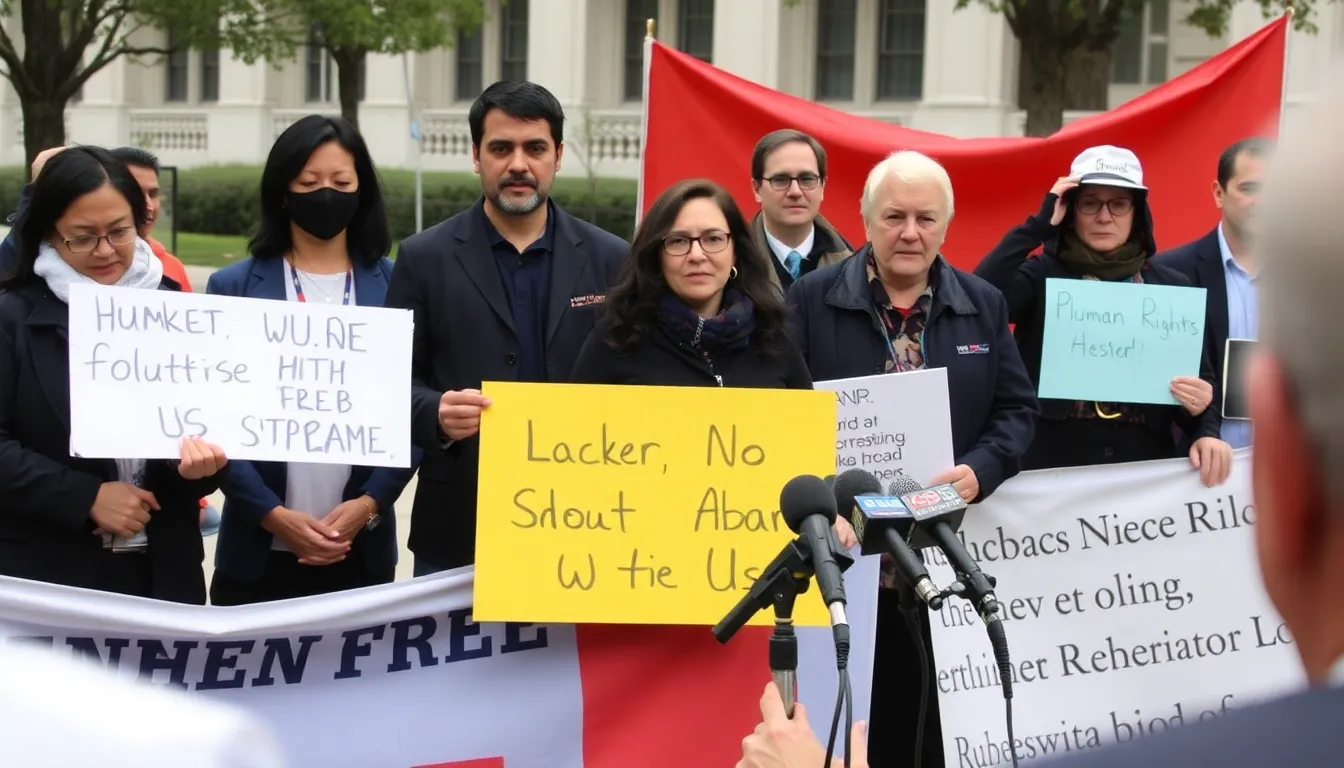
Historically, the United States has positioned itself as a champion of human rights on the global stage. However, the reality for many communities within the country tells a different story. The civil rights movement of the 1960s marked a pivotal moment in the struggle for equality, yet many of the same issues persist today. The Black Lives Matter movement, which gained momentum in the 2010s, has brought renewed attention to police brutality and racial injustice, highlighting the gap between America’s ideals and its practices, as noted in discussions around the upcoming World Cup.
Key Milestones in Human Rights Advocacy
Several key milestones have shaped the discourse around human rights in the U.S. The establishment of the American Civil Liberties Union (ACLU) in 1920 marked the beginning of organized efforts to protect individual rights. More recently, the United Nations’ Universal Periodic Review process has provided a platform for civil society organizations to call attention to human rights abuses, further pressuring the U.S. government to address these issues. The intersection of sports and politics has also played a crucial role, with athletes using their platforms to advocate for social justice and draw attention to human rights violations.
As the World Cup approaches, the scrutiny on the U.S. intensifies. The statement from Human Rights Watch serves as a reminder that while the nation may celebrate its achievements in sports, it must also confront the realities of inequality and injustice that affect many of its citizens. The intersection of sports, politics, and human rights continues to be a critical area of discussion as the world watches how the U.S. addresses these pressing issues, echoing the sentiments expressed in the article on France’s stance on the World Cup.
Key stakeholders and issues involved in the criticism
The announcement from Human Rights Watch (HRW) regarding the United States ahead of the World Cup has drawn significant attention to various stakeholders involved in this situation. Key actors include HRW, the U.S. government, FIFA, and various human rights organizations. Each of these entities has distinct interests and motivations that shape the discourse surrounding human rights and international sporting events.
Human Rights Watch aims to hold governments and organizations accountable for human rights violations. Their statement highlights concerns over issues such as labor rights, discrimination, and the treatment of marginalized communities, particularly in the context of the World Cup, which attracts global scrutiny. The U.S. government, on the other hand, is interested in maintaining its image as a leader in human rights while also promoting its role in hosting significant international events.
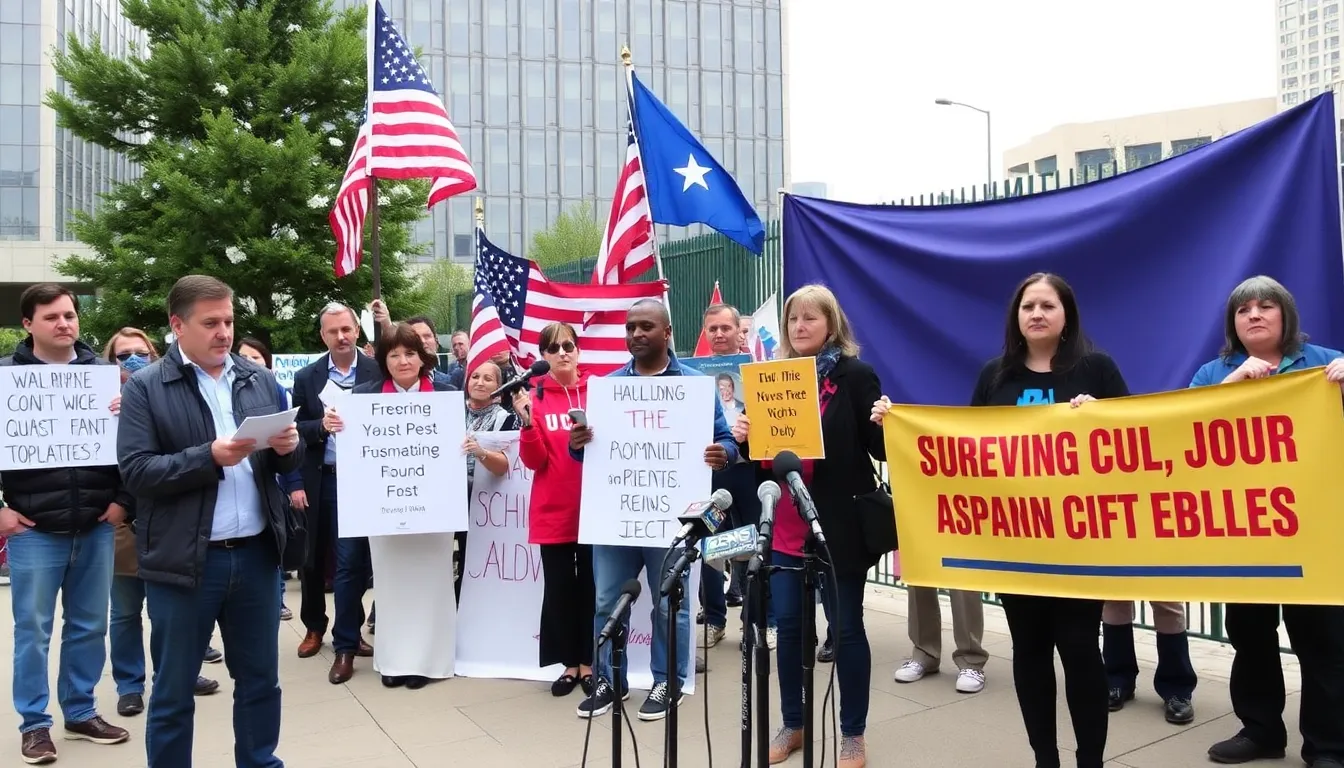
FIFA, as the governing body of football, has a vested interest in ensuring that the World Cup is successful and free from controversy. This creates a potential conflict between their commercial interests and the ethical implications of hosting the tournament in a country facing human rights criticisms. Additionally, various human rights organizations are advocating for reforms and greater accountability, often putting them at odds with both the U.S. government and FIFA.
- Labor Rights: The treatment of workers involved in World Cup preparations is a significant concern, with HRW calling for better protections and fair wages.
- Discrimination Issues: The statement addresses systemic discrimination against certain groups, highlighting the need for comprehensive reforms.
- International Image: The U.S. government is balancing its international reputation against domestic criticisms of its human rights record.
- Commercial Interests vs. Ethics: FIFA faces the challenge of reconciling profit motives with the ethical implications of hosting the event.
- Advocacy and Reform: Human rights organizations are pushing for changes that may conflict with the interests of both the U.S. and FIFA.
Potential impact on U.S. relations and the World Cup
The recent statement from Human Rights Watch regarding the U.S. ahead of the World Cup has significant implications for various groups and industries. Key stakeholders include athletes, fans, local communities, and businesses involved in the event. The scrutiny of human rights practices can lead to heightened awareness and pressure on the U.S. to address these issues, impacting its international relations.
In the short term, the statement may affect the perception of the U.S. as a host nation. Athletes and fans from around the world may express concerns over human rights violations, potentially leading to protests or calls for boycotts. Businesses that rely on the influx of tourists and international attention during the World Cup could see fluctuations in their revenue, depending on public sentiment and participation.
Mid-term impacts may include changes in policy as the U.S. government responds to international criticism. This could lead to increased advocacy for human rights reforms, which may reshape domestic and foreign policies. Additionally, there may be opportunities for organizations focused on social justice to gain visibility and support, fostering a stronger movement for change.
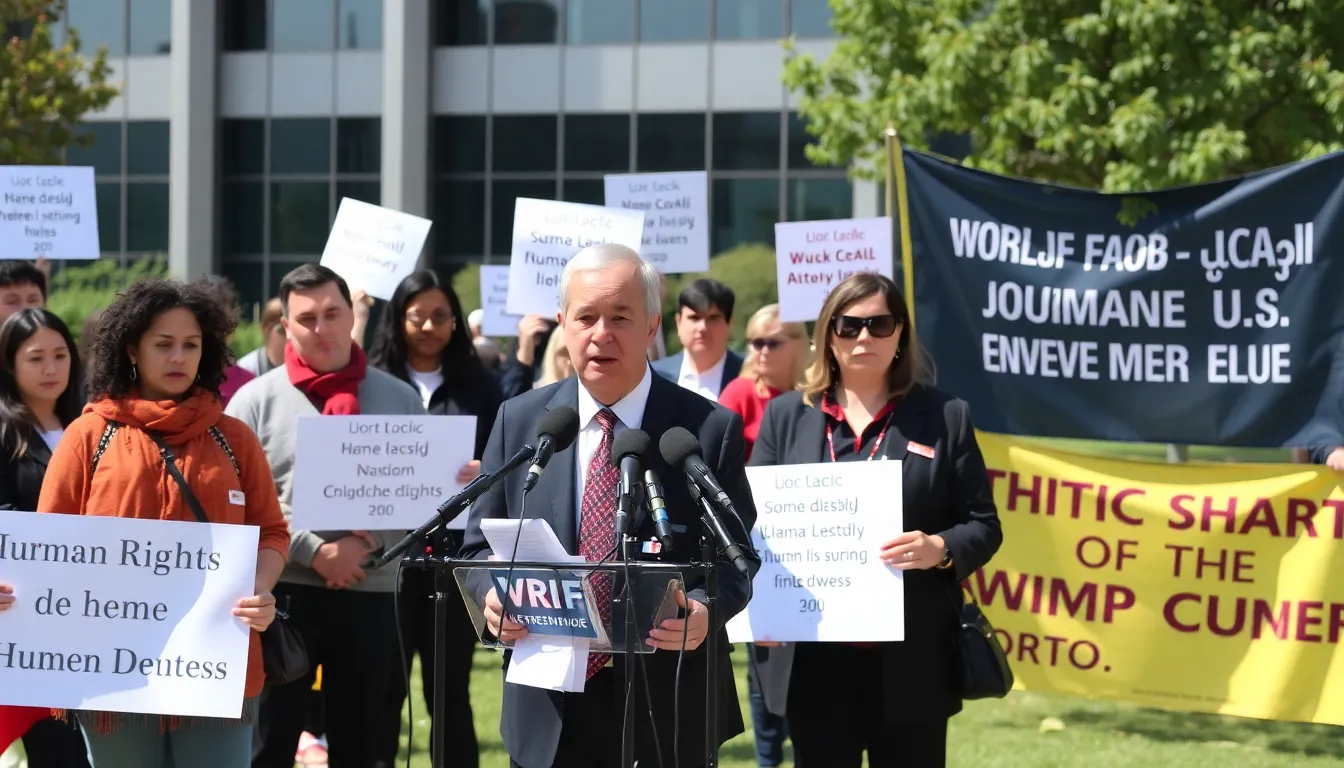
- Risks: Potential boycotts and protests affecting attendance and revenue.
- Opportunities: Increased advocacy for human rights reforms and support for social justice initiatives.
- Impacts on relationships: Strained diplomatic ties with nations concerned about human rights practices.
As the World Cup approaches, the interplay between human rights concerns and the event’s success will be closely monitored. The reactions from various stakeholders will shape the narrative surrounding the U.S. and its role in promoting human rights on a global stage.
A: Human Rights Watch highlighted various human rights violations, including treatment of marginalized communities and labor rights issues related to the upcoming World Cup. A: The criticism could negatively impact the U.S. reputation, especially in the context of hosting a major international event like the World Cup, potentially leading to increased scrutiny. A: As of now, the U.S. government has not issued an official response, but it is expected to address the concerns raised in the statement. A: The statement draws attention to ongoing human rights issues that may overshadow the festivities of the World Cup, raising questions about the host country’s commitment to human rights. A: Various advocacy groups are calling for reforms and increased oversight to ensure that human rights are respected in the lead-up to the World Cup.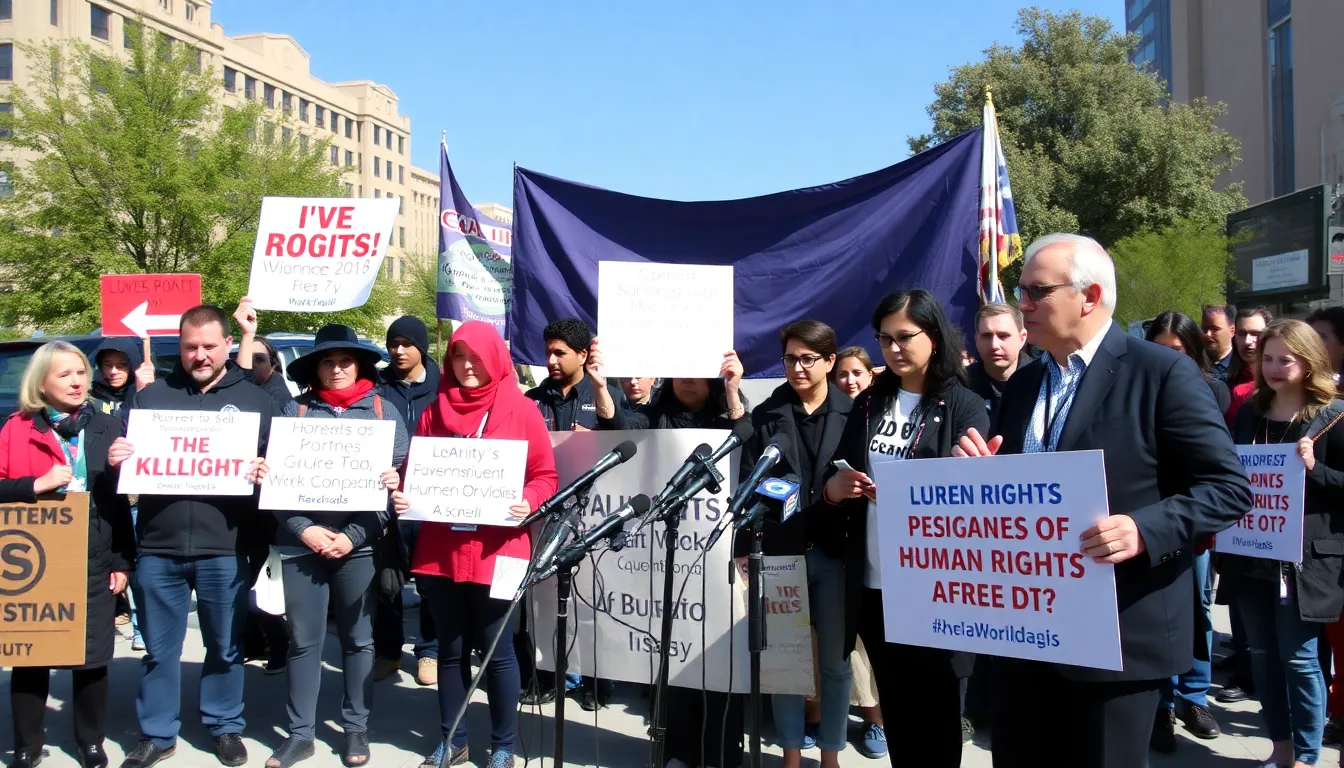
Frequently asked questions about the statement
Key takeaways and future implications
The recent statement from Human Rights Watch regarding the U.S. highlights significant concerns about the country’s commitment to human rights, particularly in the context of the upcoming World Cup. This critique serves as a reminder of the ongoing scrutiny that nations face regarding their domestic and international human rights practices, especially when hosting global events.
As the World Cup approaches, it will be crucial to monitor how the U.S. addresses these criticisms and whether it takes tangible steps to improve its human rights record. The implications of this scrutiny extend beyond the sporting arena, influencing public perception, international relations, and the potential for future events hosted by the U.S.
- Watch for potential policy changes in response to human rights criticisms.
- Observe the impact of public sentiment on the U.S. government’s approach to human rights.
- Consider the role of international organizations in holding the U.S. accountable during the World Cup.
- Evaluate the influence of this statement on future international sporting events hosted by the U.S.
- Monitor media coverage and public discourse surrounding human rights issues during the tournament.