In recent months, the BBC has enhanced its digital offerings, including the launch of a dedicated Match of the Day YouTube channel. This channel features not only match highlights but also exclusive content, interviews, and behind-the-scenes footage, aiming to engage a broader audience across various platforms. For further insights into recent match performances, check out Mansfield’s stunning victory over Sheff Utd.
The shift is particularly relevant as viewership habits change; a report from Ofcom indicates that over 70% of 16 to 24-year-olds prefer watching video content on digital platforms rather than traditional television. By embracing these trends, the BBC hopes to maintain the show’s relevance and attract a new generation of football fans.
Additionally, Match of the Day has started incorporating interactive elements, such as live polls and social media integration, to foster viewer engagement. These innovations reflect a broader industry trend where traditional media is blending with digital interactivity to enhance the viewer experience.
This evolution is crucial not only for the show’s longevity but also for the BBC’s mission to remain a leading broadcaster in an increasingly competitive media landscape. As Match of the Day adapts to these changes, it highlights the importance of innovation in keeping classic programs fresh and appealing to modern audiences, similar to how LaLiga’s new partnership with SportyBet aims to engage football fans.

Understanding the historical significance of Match of the Day
Since its inception in 1964, BBC’s Match of the Day has become a cornerstone of British football culture, offering fans a weekly digest of the most exciting moments from the English Premier League. The show was launched in a time when television was becoming increasingly popular, and football was solidifying its status as the nation’s favorite sport. It provided a platform for fans to engage with the game beyond the live match experience, showcasing highlights, expert analysis, and interviews with key players and managers.
Over the decades, Match of the Day has adapted to the changing landscape of media consumption. The rise of cable television in the 1980s and the subsequent emergence of satellite channels brought about intense competition for viewership. Despite these challenges, Match of the Day maintained its relevance, becoming synonymous with Saturday night entertainment for millions of viewers. Its iconic theme tune and format have established it as a beloved institution in British broadcasting.
As the digital age unfolded in the 2000s, the way audiences consumed media began to shift dramatically. The advent of the internet and mobile technology has transformed how fans engage with football content. Social media platforms and streaming services have emerged as significant players in the sports broadcasting landscape, prompting traditional broadcasters like the BBC to rethink their strategies. Recognizing the need to connect with a younger, more digitally-savvy audience, Match of the Day has gradually evolved its offerings, integrating digital highlights and social media interaction into its programming, similar to the interactive elements explored in the Portsmouth match.
Key milestones in the evolution of Match of the Day
Several key milestones have marked the evolution of Match of the Day over the years. In 1992, the show began broadcasting in a high-definition format, enhancing the viewing experience for fans. The introduction of online streaming services in the late 2000s allowed viewers to access highlights on-demand, further solidifying the show’s place in modern media. More recently, the BBC has embraced social media, launching platforms on Twitter and Instagram to share clips and engage with fans in real-time, a move that reflects the changing dynamics of sports viewership in the digital age.
Key stakeholders and their roles in the show’s evolution
The evolution of BBC’s Match of the Day highlights show has involved various stakeholders, each with distinct interests and influences. The primary actors include the BBC itself, the viewing audience, football clubs, advertisers, and regulatory bodies. Each of these stakeholders plays a significant role in shaping the content and distribution of the show.
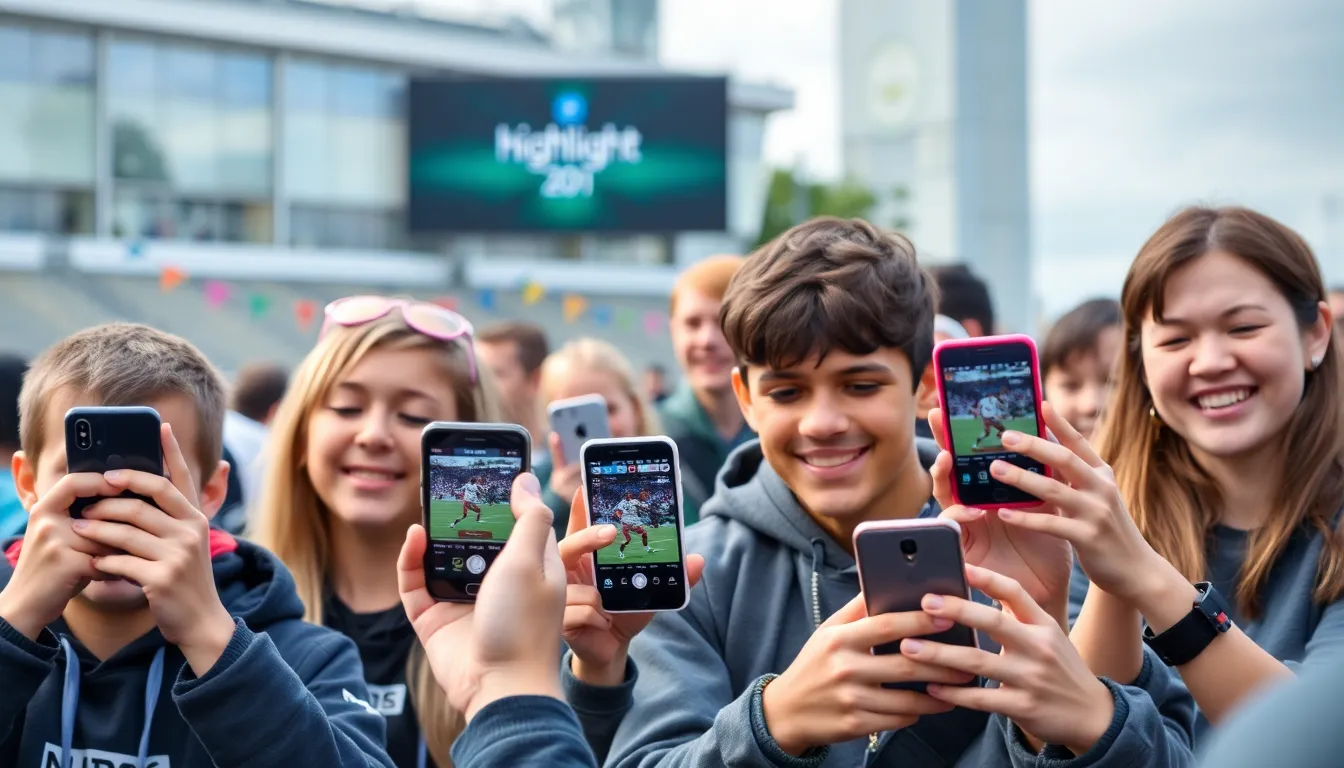
The BBC, as the producer, aims to maintain high viewership while adapting to digital trends. This involves investing in technology and platforms that enhance viewer engagement. The organization must balance its public service mandate with the need to attract a younger audience that increasingly consumes content online. This shift raises questions about the future of traditional broadcasting versus digital platforms.
The audience, particularly younger viewers, is increasingly seeking immediate access to highlights and interactive content. Their preferences drive the BBC to innovate and expand its digital offerings. However, this shift may alienate older viewers who prefer the traditional format, creating a potential conflict within the audience demographic.
- Football clubs are interested in maximizing their visibility and generating revenue through advertising and sponsorship deals linked to the show.
- Advertisers target specific demographics that engage with the show, leading to strategic partnerships that influence content direction.
- Regulatory bodies ensure that the BBC adheres to guidelines regarding fair competition and public service broadcasting, impacting how the show evolves.
Legal and economic issues also come into play, particularly regarding rights management for highlights and the implications of digital distribution. The BBC must navigate copyright laws while ensuring fair compensation for clubs and players featured in the highlights. This balancing act is crucial as the show evolves to meet the demands of a changing media landscape.
How the changes affect viewers and the broadcasting industry
The evolution of BBC’s Match of the Day highlights show significantly impacts various groups, including football fans, broadcasters, and advertisers. Viewers, particularly younger audiences who prefer digital content, are directly affected as the show adapts to meet their consumption habits. This shift also influences the broader broadcasting industry as traditional models are challenged by the rise of digital platforms.
In the short term, fans may experience a more tailored viewing experience, with highlights available on-demand and through different digital channels. This could lead to increased engagement and viewership, particularly among younger demographics who may have previously felt alienated by traditional broadcast schedules. Advertisers may also benefit from targeted advertising opportunities as the show leverages data analytics to reach specific audiences more effectively.

However, there are risks associated with this transition. Traditional viewers who prefer the conventional format may feel left out, leading to potential backlash. Moreover, the reliance on digital platforms raises concerns about data privacy and the sustainability of advertising revenue. As the broadcasting landscape shifts, there is also the risk of increased competition from emerging platforms that may lure audiences away from established shows.
In the mid-term, the broadcasting industry may see a significant transformation in how sports content is delivered. This evolution could lead to partnerships between traditional broadcasters and tech companies, creating new revenue streams and innovative content delivery methods. Additionally, the adaptation may prompt policy discussions around broadcasting rights and regulations, as the lines between traditional and digital media continue to blur.
- Enhanced viewer engagement through personalized content.
- Opportunities for targeted advertising and sponsorship deals.
- Potential loss of traditional viewers and associated revenue.
- Increased competition from digital platforms.
- Policy implications around broadcasting rights and regulations.
A: Match of the Day has evolved from a traditional TV show to incorporate digital highlights and social media engagement, catering to a younger audience. A: Digital viewing trends challenge traditional broadcasting models, pushing networks to adapt their content delivery and engage audiences through multiple platforms. A: Yes, the show is integrating interactive elements and enhanced social media content to keep up with audience expectations. A: Match of the Day actively uses platforms like Twitter and Instagram to share highlights and interact with fans, fostering a community around the show. A: The show aims to attract younger viewers who prefer consuming content online rather than through traditional television.
Frequently asked questions about Match of the Day’s evolution
Looking ahead: The future of Match of the Day in a digital world
The evolution of BBC’s Match of the Day highlights show reflects a broader shift in how audiences consume sports content. As digital platforms continue to gain prominence, the show’s ability to adapt will be crucial in maintaining its relevance. Embracing technology and innovative storytelling methods will not only enhance viewer engagement but also attract a younger demographic that favors on-demand content.
Furthermore, the integration of social media and interactive features could provide new avenues for audience interaction, creating a more immersive experience. As the landscape of sports broadcasting evolves, Match of the Day must navigate these changes thoughtfully to retain its iconic status while appealing to a diverse audience.
- Monitor audience engagement metrics to tailor content that resonates with viewers.
- Explore partnerships with digital platforms to extend reach and accessibility.
- Invest in innovative storytelling techniques that leverage multimedia capabilities.
- Consider interactive elements that allow viewers to participate in the highlights experience.
- Stay attuned to emerging trends in sports consumption to remain competitive in the digital age.