In recent months, prominent figures and organizations have voiced their concerns. For instance, human rights groups have highlighted issues such as labor rights and discrimination in the context of the ongoing preparations for the tournament. Despite these calls for action, there has been a notable lack of consensus among European governments regarding a potential boycott.
As of October 2023, several European football associations have publicly stated their intention to participate in the World Cup, emphasizing the importance of sports diplomacy. This sentiment reflects a broader reluctance to politicize sporting events, with many officials arguing that engagement is preferable to isolation in addressing human rights issues.
The debate over a boycott is further complicated by the upcoming UEFA Euro 2024, which will take place in Germany. Some analysts suggest that European nations may be hesitant to take a hard stance against the World Cup, fearing repercussions for their own tournament and the potential impact on international relations.
Ultimately, the situation remains fluid as stakeholders continue to navigate the intersection of sport and politics. With the World Cup scheduled to kick off in June 2026, the coming months will be crucial for determining the stance of European nations and the potential implications for global football governance.
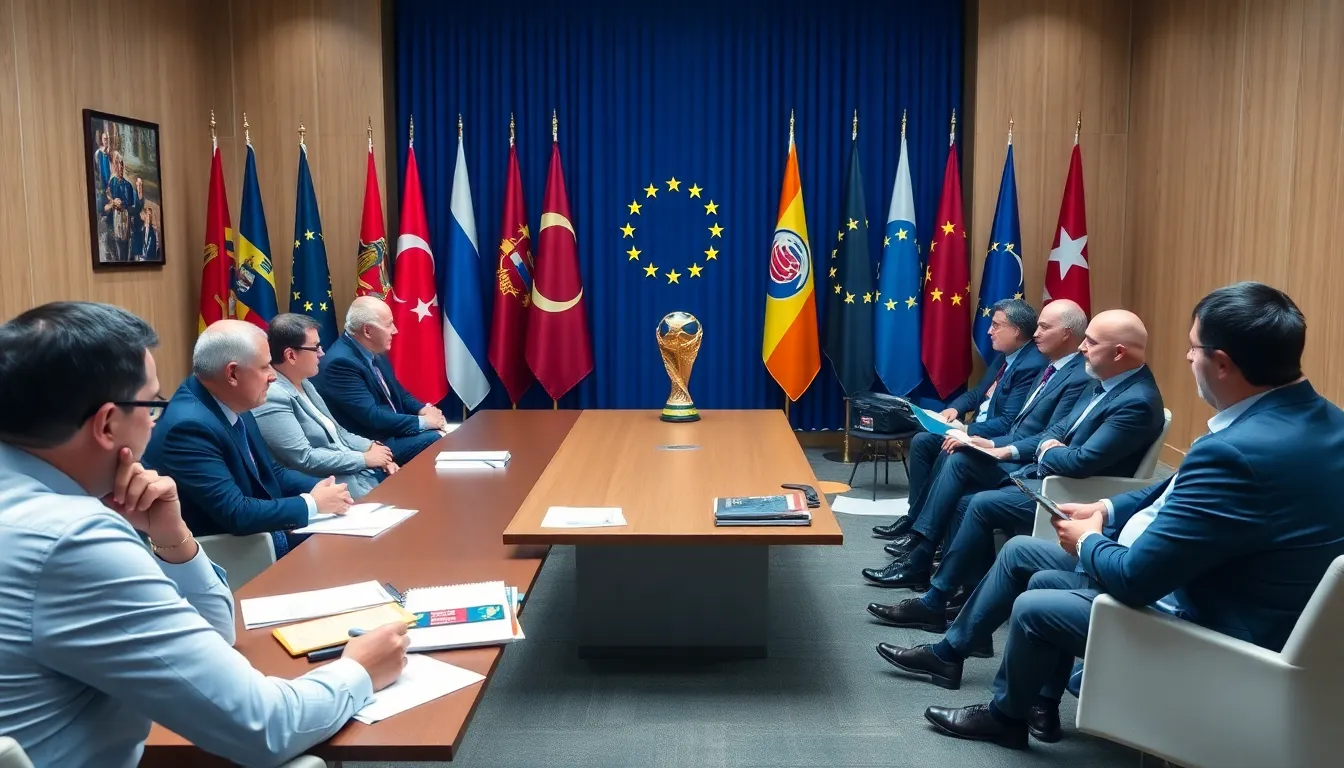
Understanding the background of the World Cup and its political implications
The FIFA World Cup has long been more than just a sporting event; it serves as a global stage where nations showcase their culture, pride, and aspirations. Historically, the tournament has been intertwined with political narratives, often reflecting the geopolitical climate of the time. From the 1934 World Cup in Italy, which was used by Mussolini to promote fascism, to the boycotts of the 1980 and 1984 Olympics due to Cold War tensions, international sports have frequently been leveraged for political purposes.
As the 2026 World Cup approaches, scheduled to be hosted by the United States, Canada, and Mexico, discussions around potential boycotts have gained traction. This is largely in response to various political issues, including human rights concerns and the treatment of marginalized communities. The global discourse has been fueled by past instances where sporting events were boycotted to signal disapproval of a host nation’s policies, such as the 1978 World Cup in Argentina, which faced criticism over its military dictatorship.
The Economic Impact of Boycotts
Boycotts can have significant economic ramifications, not just for the host country but also for participating nations. The 1980 Moscow Olympics, for instance, saw the United States and several other countries withdraw, leading to substantial financial losses for the Soviet Union. As discussions around the 2026 World Cup intensify, European nations are weighing the potential impact of a boycott on their economies, sponsorships, and diplomatic relations, ultimately revealing a limited appetite for such drastic measures.
Moreover, the interconnectedness of global sports and commerce complicates the decision-making process. With major sponsorship deals and broadcasting rights at stake, many nations are hesitant to jeopardize their economic interests over political disagreements. This complexity highlights the challenges faced by European leaders as they navigate public sentiment, ethical considerations, and economic realities in the lead-up to the tournament.
In summary, the historical context of the World Cup as a platform for political expression, coupled with the economic implications of boycotts, shapes the current landscape. As Europe grapples with its response to the upcoming tournament, the interplay between sport and politics continues to evolve, reflecting broader societal values and priorities.
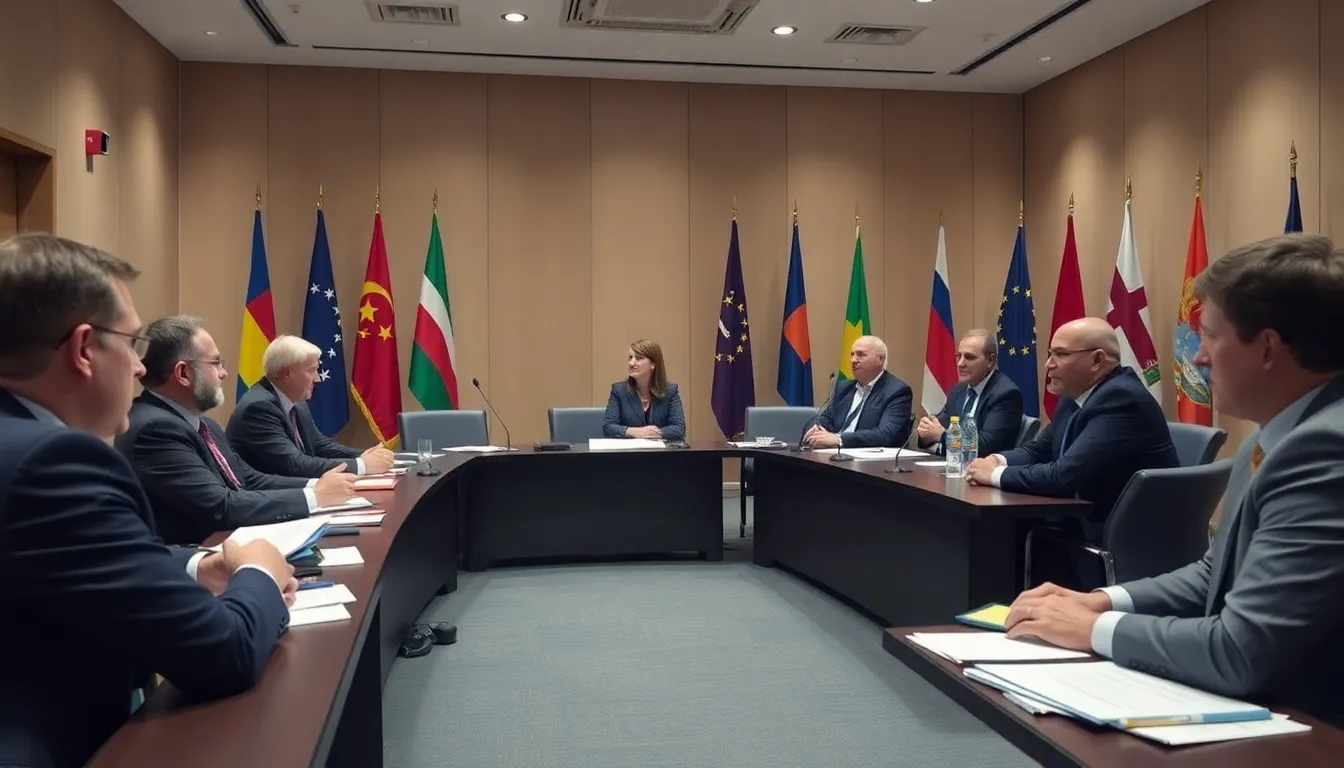
Examining the stakeholders and key issues surrounding the potential boycott
The discussion around a potential boycott of the 2026 World Cup has brought various stakeholders into focus, each with distinct interests and motivations. On one side, we have national governments and political leaders who may perceive the tournament as an opportunity to address broader geopolitical issues. On the other hand, sports organizations, including FIFA and UEFA, are primarily concerned with the commercial and reputational implications of any boycott.
National governments, particularly in Europe, are under pressure from civil society groups advocating for human rights and environmental concerns related to the host countries. These governments must balance their diplomatic relations with the host nations against the expectations of their constituencies, who may demand action against perceived injustices.
Sports organizations face a complex dilemma. While they strive to maintain the integrity of the sport and uphold their brand image, they also rely heavily on the financial benefits that come with hosting large-scale events. A boycott could lead to significant economic repercussions, including loss of revenue from sponsorships and broadcasting rights.
- Human Rights Concerns: Advocacy groups highlight issues such as labor rights and freedom of expression in host nations.
- Economic Implications: A boycott could result in substantial financial losses for both the host country and participating nations.
- Public Opinion: Governments are increasingly responsive to the views of their citizens, who may have strong feelings about the ethical implications of participating in the event.
- Diplomatic Relations: Countries may weigh the importance of maintaining positive relations with the host nation against the potential backlash from their own populations.
- Media Coverage: The role of media in shaping public perceptions and influencing stakeholders’ decisions cannot be underestimated.
In summary, the interplay between these various stakeholders highlights the complexities of the situation. The potential boycott of the 2026 World Cup encapsulates broader societal debates about ethics in sports, the role of government, and the impact of global events on local communities. As discussions continue, it will be essential to monitor how these dynamics evolve and affect the future of the tournament.
The impact of the boycott discussions on various stakeholders and markets
The ongoing discussions about a potential boycott of the 2026 World Cup have significant implications for various stakeholders across Europe. Key groups affected include sports organizations, sponsors, fans, and local businesses that rely on tourism and events associated with the tournament.
In the short term, the uncertainty surrounding the World Cup may lead to a decline in ticket sales and merchandise purchases as fans grapple with the ethical considerations of attending an event perceived as politically charged. This hesitation can adversely affect local economies, particularly in host cities, where businesses depend heavily on the influx of tourists and fans during major sporting events.
In the mid-term, the political ramifications of a boycott could reshape policies within sports organizations and influence their relationships with sponsors. For instance, companies may reassess their marketing strategies and sponsorship deals based on public sentiment, potentially leading to shifts in funding for various sports initiatives. This could also spur a broader conversation about the role of sports in political discourse.
- Risks: Decreased tourism revenue, strained relationships between sports entities and sponsors, and potential backlash from fans.
- Opportunities: Increased awareness of political issues, potential for sponsors to align with socially responsible initiatives, and a chance for local businesses to innovate in response to changing consumer sentiments.
Overall, the discourse surrounding the boycott presents both challenges and opportunities that could reshape the landscape of sports and its intersection with politics in Europe. Stakeholders must navigate these complexities as they prepare for the upcoming World Cup and its implications for the future.
A: Proposed boycotts are primarily driven by concerns over human rights issues and political situations in host countries. Activists argue that participating in the event could be seen as endorsing these issues. A: European countries have shown a mixed response, with some leaders expressing support for boycotts while others emphasize the importance of participation in fostering dialogue. A: A boycott could significantly impact the tournament’s viewership and revenue, as well as the relationship between football governing bodies and participating nations. A: Yes, there have been notable precedents, such as the boycott of the 1980 Moscow Olympics by several countries in protest of the Soviet invasion of Afghanistan. A: Fans are increasingly vocal about their opinions on the boycott, with many using social media to express their stance, which can influence public perception and political decisions.
Frequently asked questions about the World Cup boycott debate
Key insights and future outlook on the World Cup and political discussions
The upcoming 2026 World Cup is increasingly becoming a focal point for political discourse in Europe, yet the appetite for a widespread boycott remains limited. While concerns regarding human rights, environmental issues, and political governance continue to surface, European nations appear hesitant to take drastic measures that could alienate fans and disrupt sporting events. This balancing act highlights the complexities of intertwining sports with political agendas in an increasingly polarized landscape.
As the tournament approaches, it will be essential to monitor how European governments and organizations navigate these challenges. The response of fans, sponsors, and media will also play a crucial role in shaping the narrative surrounding the event, potentially influencing future international sporting events and their political implications.
- Watch for shifts in public opinion as the tournament date approaches, which could impact political stances.
- Monitor the actions of sponsors and their responses to potential controversies surrounding the event.
- Observe how European nations may leverage the World Cup for diplomatic engagement or criticism.
- Consider the role of social media in amplifying voices for or against the tournament amidst ongoing political debates.
- Evaluate the long-term effects of this World Cup on future sporting events and their relationship with political issues.