Current challenges facing Greek football
Greek football is currently undergoing significant scrutiny as it grapples with longstanding issues of corruption, mismanagement, and a lack of competitive balance. The recent announcement of a comprehensive reform initiative, dubbed the ‘Renaissance’ plan, aims to address these systemic problems and rejuvenate the sport within the country. This plan comes in the wake of mounting pressure from various stakeholders, including fans, clubs, and governing bodies. For more on how these changes could impact club dynamics, check out our article on collaboration efforts in sports.
In the past few years, Greek football has been marred by incidents of violence, match-fixing allegations, and financial instability among clubs. The Greek Super League has seen a decline in both domestic and international competitiveness, prompting concerns about the future of the sport. The ‘Renaissance’ plan seeks to implement stricter regulations and oversight to ensure fair play and restore integrity to the league.
Key actors in this reform process include the Hellenic Football Federation and various club representatives, who have come together to draft a roadmap for change. The initiative outlines specific measures, such as improved governance structures and enhanced financial transparency, which are set to be rolled out over the next few months. The first phase of the plan is expected to be launched in early 2024, with a focus on establishing a more equitable distribution of resources among clubs. This effort is essential for clubs aiming to enhance their competitive edge, much like what was seen in Arsenal’s recent league performance.
The significance of this overhaul cannot be understated, as it represents a critical juncture for Greek football. By addressing the root causes of its challenges, the ‘Renaissance’ plan aims not only to restore the sport’s reputation but also to foster a more vibrant football culture in Greece. The success of this initiative will largely depend on the commitment of all stakeholders involved and their willingness to embrace change.
Historical context of football in Greece
Football has been a significant part of Greek culture since its introduction in the late 19th century. The establishment of the Hellenic Football Federation in 1926 marked the formal organization of the sport, leading to the creation of structured leagues and competitions. Over the decades, football became intertwined with national identity, often serving as a unifying force amid the country’s political and economic challenges.
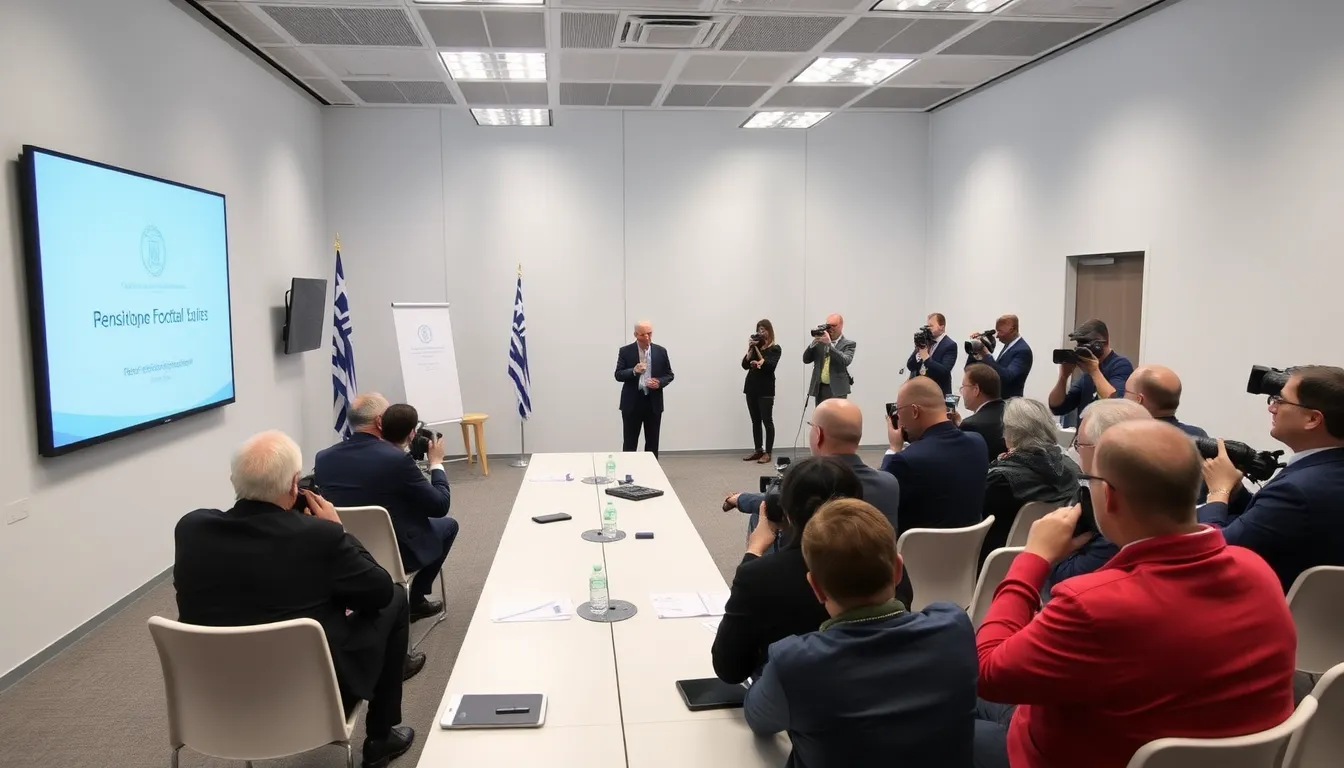
Despite its popularity, Greek football has faced numerous challenges, including corruption scandals, financial mismanagement, and issues related to fan violence. The 2000s were particularly tumultuous, with several clubs facing bankruptcy and the national team struggling to maintain competitiveness on the international stage. This decline has prompted calls for reform and a reevaluation of the governance structures within the sport.
The impact of economic crises
The economic crisis that began in 2009 had a profound impact on Greek football. Many clubs, already struggling with financial instability, found it increasingly difficult to survive as sponsorships dwindled and fan attendance dropped. This led to a cycle of debt and decline, further exacerbating the issues of corruption and mismanagement. The crisis highlighted the need for a comprehensive overhaul of the football ecosystem, paving the way for the recent ‘Renaissance’ plan aimed at revitalizing the sport. Similar issues have been observed in other leagues, so exploring how clubs manage crises can provide valuable insights.
In response to these challenges, stakeholders across the football community have begun to collaborate on reform initiatives. The ‘Renaissance’ plan seeks to address the root causes of the problems plaguing Greek football by introducing new governance measures, enhancing financial transparency, and fostering a more inclusive environment for fans and players alike. This plan represents a critical juncture for Greek football, as it aims to restore integrity and competitiveness to the sport.
Key stakeholders and their roles in the Renaissance plan
The Renaissance plan for Greek football aims to revitalize the sport’s infrastructure, governance, and overall ecosystem. Several key stakeholders are involved, each with distinct interests and influences that shape the direction of this initiative.
At the forefront are the football clubs, including major teams such as Olympiacos and PAOK, which seek to enhance their competitive edge both domestically and in European competitions. These clubs are advocating for better financial regulations and governance structures to ensure sustainable growth and fair competition.
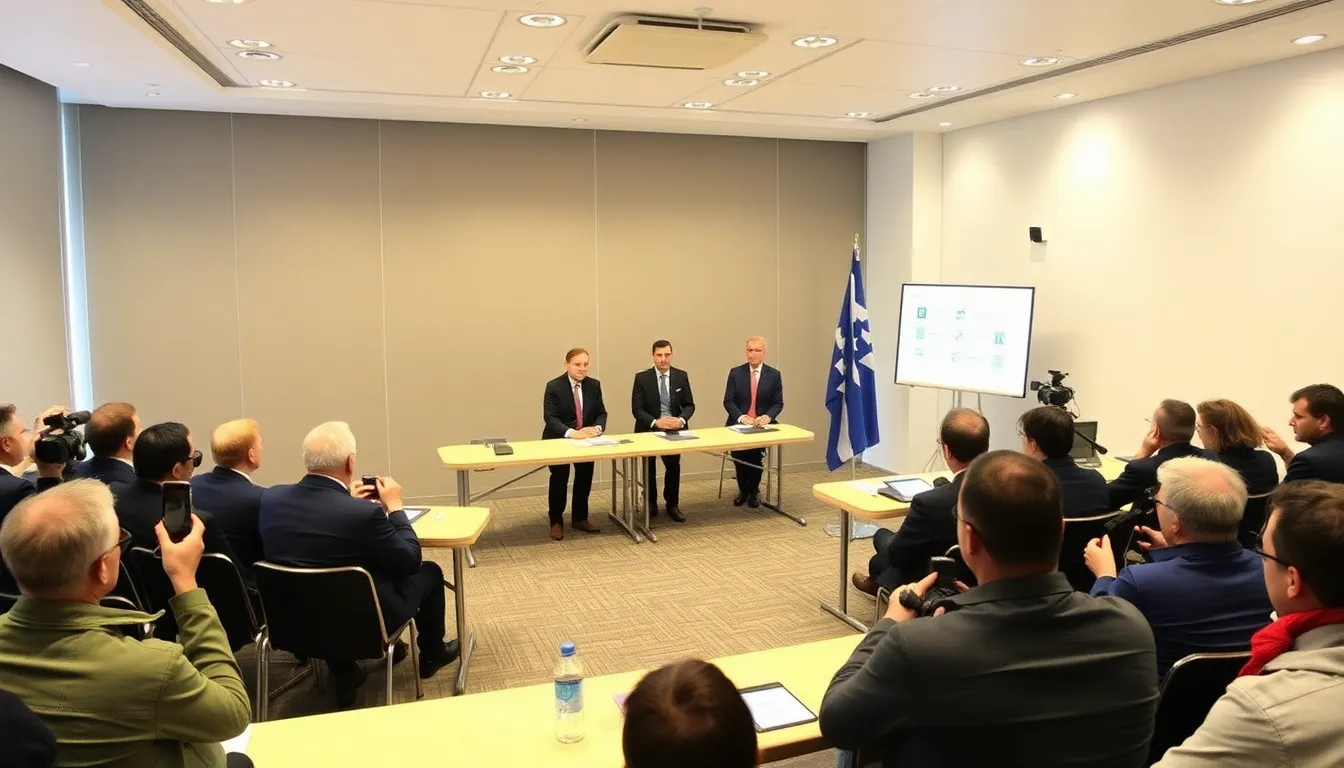
Another critical actor is the Hellenic Football Federation (HFF), which oversees the implementation of the Renaissance plan. The HFF’s interests lie in aligning the clubs’ objectives with national and international football standards, thereby improving Greece’s standing in global football. However, the federation faces challenges in balancing the interests of various clubs, which may have conflicting agendas.
Additionally, the Greek government plays a significant role, as it can influence funding and legislative support for the plan. The government’s interest is primarily in promoting sports as a means of national pride and economic development. However, this involvement raises concerns about political interference in football governance.
- Financial Stability: Clubs seek a more transparent financial framework to prevent mismanagement and promote sustainability.
- Governance Reform: The HFF must navigate the diverse interests of clubs while instituting fair governance practices.
- Government Support: The Greek government’s backing is crucial for funding and legitimizing the reforms.
- Fan Engagement: Clubs need to rebuild trust and engagement with their fan bases to ensure long-term support.
- International Relations: Aligning with UEFA standards is essential for Greek clubs to compete effectively on the European stage.
In summary, the Renaissance plan’s success will depend on the ability of these stakeholders to collaborate while addressing the inherent conflicts and trade-offs that arise from their differing interests. The careful navigation of legal and economic issues will be vital for the sustainable development of Greek football.
Potential impacts on players and the football market
The ‘Renaissance’ plan for Greek football is set to affect various stakeholders within the sport, including players, clubs, fans, and local businesses. By aiming to revitalize the football ecosystem, the initiative seeks to create a more sustainable and competitive environment that can benefit all involved.
In the short term, players may experience changes in contract negotiations as clubs begin to implement new financial regulations and transparency measures. This could lead to increased competition for player contracts, particularly among younger talent. Additionally, fans may see an immediate impact in terms of improved matchday experiences as clubs invest in facilities and services.
From a business perspective, local industries, such as hospitality and retail, could see a boost as football clubs enhance their appeal and attract larger crowds. This influx of fans can lead to increased spending in nearby restaurants, hotels, and shops, creating a ripple effect throughout the local economy.
However, there are risks associated with these changes. Some clubs may struggle to adapt to the new regulations, leading to potential financial instability. Furthermore, if the overhaul does not meet expectations, there could be disillusionment among fans and stakeholders, which might hinder long-term growth.
- Increased competition for players and contracts.
- Enhanced matchday experiences for fans.
- Boost for local businesses due to increased foot traffic.
- Potential financial instability for clubs unable to adapt.
- Risk of fan disillusionment if expectations are not met.
In the mid-term, the overall quality of the league could improve, attracting better talent and potentially raising the profile of Greek football on an international scale. This could open doors for sponsorships and partnerships that were previously unavailable, providing clubs with additional revenue streams.
A: The Renaissance plan is a strategic initiative aimed at overhauling the operational and competitive framework of Greek football to enhance its sustainability and performance. A: Key stakeholders include the Hellenic Football Federation, club owners, players, and government representatives who will collaborate to implement the plan. A: Local clubs are expected to benefit from improved funding, better governance, and enhanced youth development programs as part of the Renaissance initiative. A: The expected outcomes include increased competitiveness in domestic leagues, improved international performance, and greater fan engagement. A: The implementation timeline is still being finalized, but initial phases are expected to begin within the next year.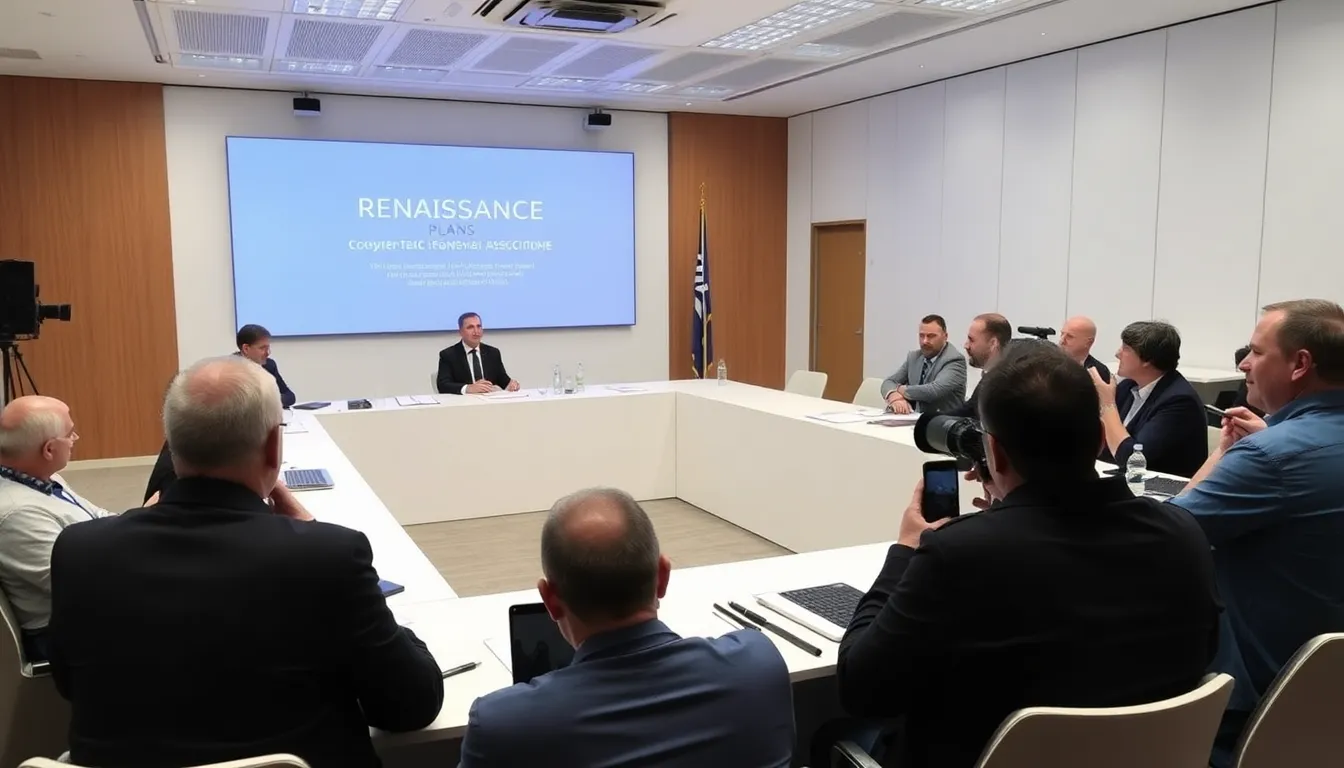
Frequently asked questions about the Renaissance plan
Future outlook for Greek football and key takeaways
The initiation of the ‘Renaissance’ plan marks a pivotal moment for Greek football, aiming to address longstanding issues within the country’s football ecosystem. By focusing on structural reforms, financial sustainability, and enhanced governance, this plan seeks to rejuvenate the sport and restore its reputation both domestically and internationally.
As the implementation of this plan unfolds, stakeholders across the football landscape will need to monitor its progress closely. The success of the initiative will depend on collaboration among clubs, federations, and government bodies, as well as the engagement of fans and communities.
- Financial Transparency: Expect a push for greater financial accountability among clubs, which could lead to more sustainable business practices.
- Youth Development Focus: The emphasis on nurturing young talent may result in a new generation of skilled players, potentially elevating the national team’s performance.
- Enhanced Governance: Improved regulatory frameworks could lead to better decision-making processes within football organizations, fostering integrity and fairness.
- Community Engagement: Clubs may increasingly prioritize their local communities, strengthening ties and enhancing support for grassroots initiatives.
- International Partnerships: Look for potential collaborations with foreign clubs and organizations that could bring new resources and expertise to Greek football.