Guardiola highlighted that his players appeared “predictable” during the match, struggling to create significant opportunities against United’s defense. This sentiment reflects growing concerns about City’s form, especially following a string of inconsistent performances in the league.
The defeat marked a crucial moment for City, as they aim to maintain their position in the title race. Guardiola’s acknowledgment of the team’s shortcomings emphasizes the need for improvement, particularly as they prepare for upcoming fixtures that could impact their standing in the Premier League.
As the season progresses, the pressure is mounting on Guardiola and his squad to address these issues. With key matches on the horizon, the focus will be on revitalizing the team’s energy and creativity to avoid further setbacks in their campaign.
Understanding the significance of the derby match
The Manchester derby, a clash between Manchester City and Manchester United, is one of the most anticipated fixtures in English football. Historically, this rivalry has roots that go beyond the pitch, encompassing social and economic elements that reflect the broader dynamics of the city of Manchester. The derby is not just a game; it represents local pride, community identity, and often, the socio-economic divide that has characterized the two clubs over the decades.
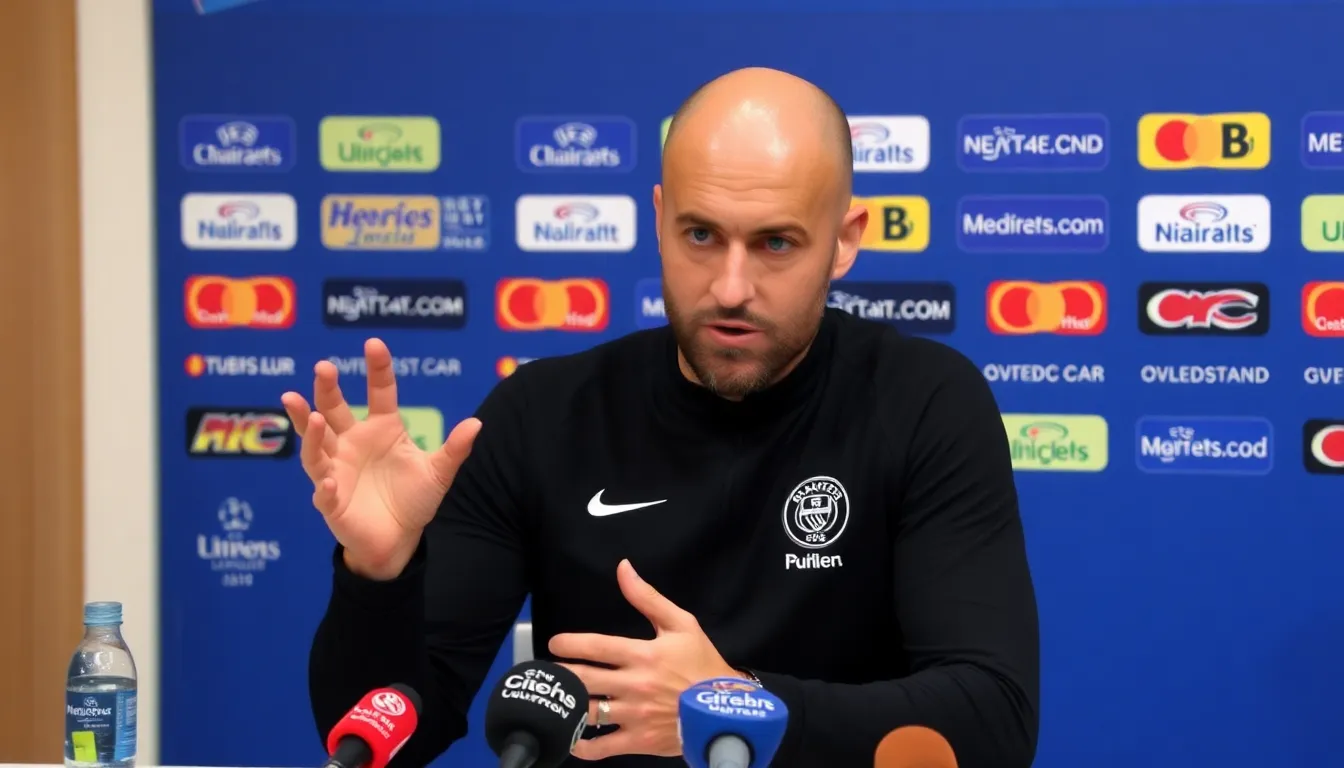
Manchester City, once a club struggling in the lower tiers of English football, has transformed into a powerhouse since its acquisition by Abu Dhabi United Group in 2008. This financial backing has allowed City to attract world-class talent and build a competitive squad, leading to multiple Premier League titles. In contrast, Manchester United, with its rich history and global appeal, has faced challenges in maintaining its dominance since the retirement of Sir Alex Ferguson in 2013. This shift in fortunes has intensified the rivalry, as City fans relish their rise while United supporters grapple with a sense of loss.
The recent derby match, which ended in a loss for City, was marked by controversies surrounding the use of VAR (Video Assistant Referee). While Guardiola acknowledged the performance of his team, he refrained from blaming VAR for the outcome. This reflects a growing trend in football where managers and players are increasingly aware of the need to adapt to officiating technologies, despite their imperfections. The use of VAR has sparked debates about fairness and the nature of the game, with many fans expressing frustration over its implementation.
The evolution of VAR in football
Since its introduction in 2018, VAR has aimed to reduce human error in key match decisions. However, its implementation has been met with mixed reactions from players, coaches, and fans alike. The technology has been criticized for disrupting the flow of the game and for inconsistencies in decision-making. Key milestones in its evolution include the controversial use of VAR in the 2019 FIFA World Cup and its integration into domestic leagues, which has led to ongoing discussions about its effectiveness and the need for further refinement.
Analyzing Guardiola’s comments on VAR and team dynamics
In the aftermath of the recent derby loss, Manchester City manager Pep Guardiola refrained from attributing the defeat to the controversial decisions made by VAR. This stance highlights the complex dynamics at play, involving various stakeholders such as players, referees, club management, and fans, each with their own interests and perspectives.
The primary actors in this scenario include the players of Manchester City, who are focused on performance and results, and the referees, who are tasked with enforcing the rules of the game fairly. Additionally, the club management, including Guardiola himself, seeks to maintain a positive public image and foster team morale, while fans are concerned about the fairness of officiating and the overall integrity of the sport.
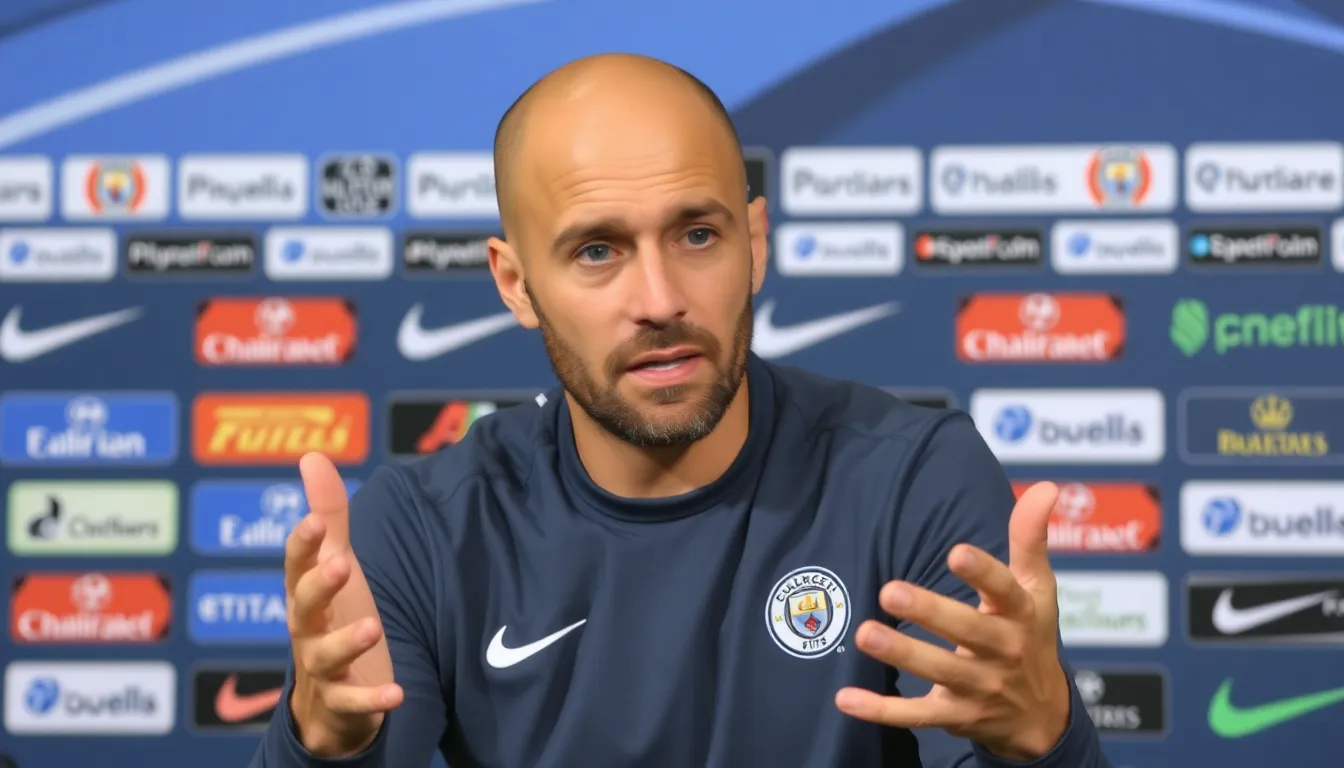
Conflicts arise from differing expectations and interpretations of the rules, particularly regarding VAR’s role in decision-making. The implementation of VAR has been met with mixed reactions, as it aims to reduce errors but has also introduced new controversies. This situation creates trade-offs, where the pursuit of accuracy in officiating may come at the cost of the fluidity and emotional intensity of the game.
- Player Performance: Players may feel demoralized by perceived injustices, impacting their performance on the field.
- Fan Engagement: Fans’ trust in the game can wane if they believe that VAR decisions are inconsistent or unfair.
- Club Reputation: The management must navigate public relations challenges when controversies arise, as they can affect the club’s image.
- Regulatory Framework: Ongoing discussions about VAR’s implementation may lead to changes in rules that could alter the game’s dynamics.
- Economic Impact: The financial implications of match outcomes can affect club revenues, sponsorships, and overall marketability.
Ultimately, Guardiola’s comments reflect a broader narrative about the evolving nature of football, where technology and human judgment intersect, creating both opportunities and challenges for all involved parties.
Effects of the derby loss on team morale and future matches
The recent derby loss has far-reaching implications for various stakeholders, including players, fans, and the broader football industry. The emotional impact on players can lead to decreased morale, which may affect their performance in upcoming matches. Fans, who are deeply invested in their team’s success, may experience disappointment that could influence attendance and engagement levels.
In the short term, the loss may lead to a decline in ticket sales for future matches as fans reassess their commitment. Additionally, merchandise sales could suffer if supporters feel disillusioned. This could create a ripple effect on local businesses that rely on matchday revenues, such as restaurants and pubs that cater to football fans.
In the mid-term, the team’s performance could influence sponsorship deals and broadcasting rights. If the team fails to perform well, it may struggle to attract lucrative sponsorships, which could impact its financial stability. Conversely, a strong recovery could present opportunities for renewed partnerships and increased investment in player development.
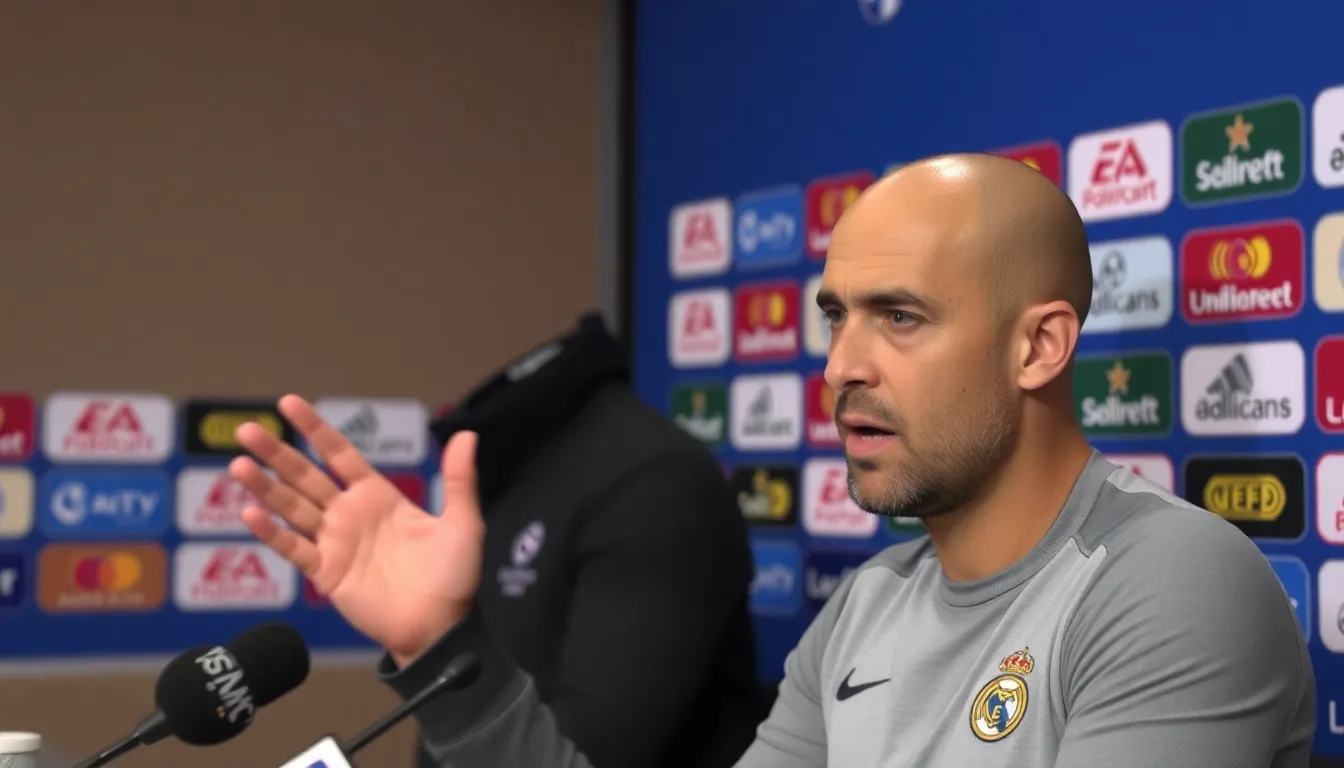
- Short-term risks: Decreased morale affecting performance, lower ticket and merchandise sales.
- Mid-term risks: Potential loss of sponsorships, reduced local business revenue.
- Opportunities: Recovery leading to stronger team dynamics, potential for increased sponsorship if performance improves.
Overall, the effects of the derby loss extend beyond the pitch, influencing various sectors and communities connected to the football ecosystem. As the team navigates this challenging period, the response from management, players, and fans will play a crucial role in shaping future outcomes.
A: Guardiola highlighted a lack of energy and predictability in the team’s play during the derby, indicating that these factors contributed to the loss. A: Guardiola stated that he would not blame VAR for the loss, suggesting that the team’s issues were more about their performance rather than officiating decisions. A: The loss could impact team morale, but it also serves as a wake-up call for players to improve their performance in upcoming matches. A: Fans have mixed reactions, with some agreeing with Guardiola’s assessment while others feel that VAR should have been addressed more critically. A: It is likely that Guardiola will reassess his strategies and tactics to address the issues highlighted in this match.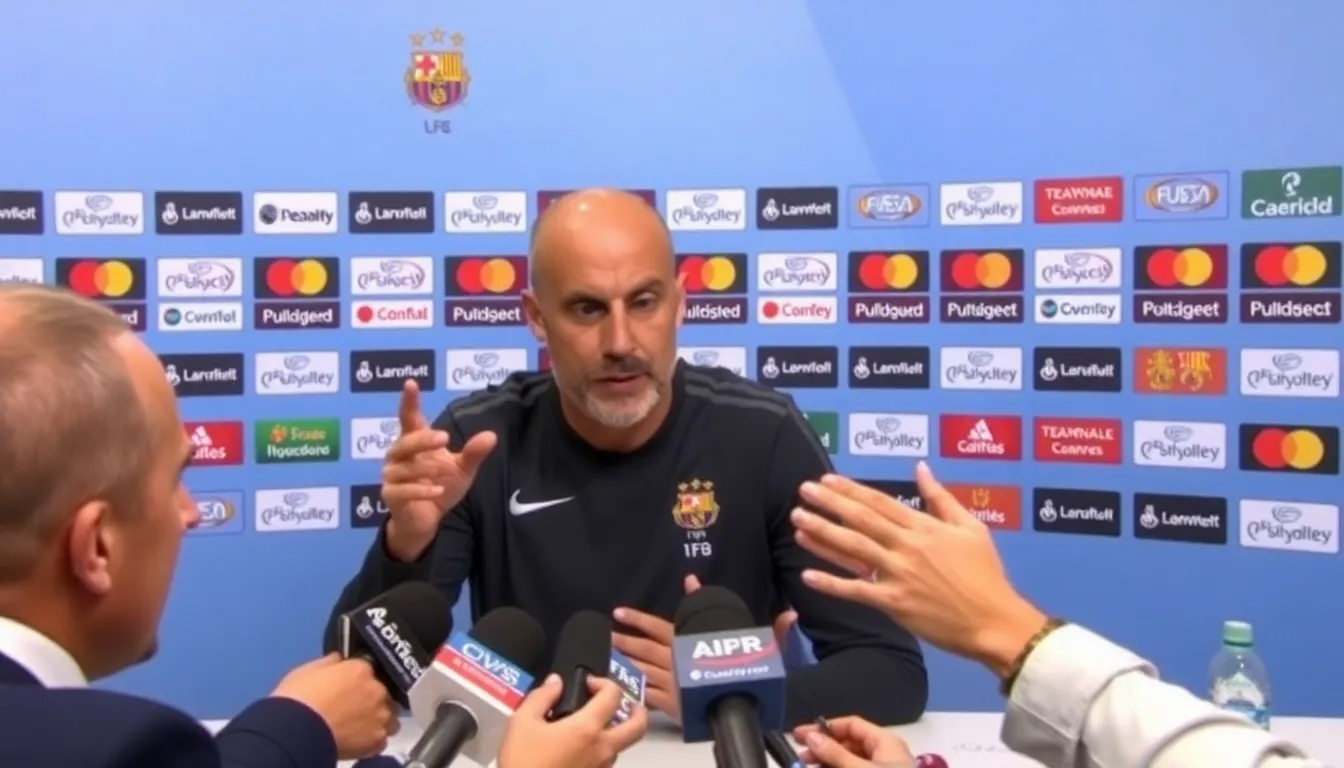
Frequently asked questions about the derby loss
Key takeaways and future outlook for the team
The recent derby loss has raised significant questions about the team’s performance and mental resilience. Guardiola’s refusal to blame VAR highlights a commitment to accountability, suggesting that the focus will shift towards internal improvements rather than external factors. This mentality could foster a more robust response in upcoming matches, as the team seeks to regain its competitive edge.
Moving forward, it will be crucial for the team to address the lack of energy observed during the match. A more dynamic approach in both training and gameplay may be necessary to reinvigorate the squad. Additionally, maintaining consistency in performance will be vital to avoid similar setbacks in future fixtures.
- Monitor the team’s response in the next few games to gauge their mental resilience.
- Watch for potential changes in training regimens aimed at boosting energy levels.
- Evaluate how the team adapts its strategy to maintain predictability while enhancing creativity on the pitch.
- Consider the impact of player morale and team dynamics following the recent defeat.
- Keep an eye on Guardiola’s tactical adjustments in response to the criticism faced after the derby loss.