The opposing vote from these clubs comes amid ongoing discussions about the financial health of LaLiga, particularly in light of the economic challenges faced by many teams. Real Madrid, one of the league’s most prominent clubs, has consistently advocated for greater financial accountability, while Rayo Vallecano’s dissent reflects a desire for equitable financial practices. For more insights on player management, check out this article on selling players.
LaLiga’s financial accounts were approved overwhelmingly, with the majority of clubs supporting the figures presented. However, the dissenting votes from Real Madrid and Rayo underscore a rift that may have implications for future negotiations regarding revenue distribution and financial regulations within the league. This situation is reminiscent of other shifts in the football landscape, such as the recent growth of the Baller League.
The situation is particularly significant as it raises questions about the governance of LaLiga and the potential impact on competitive balance among clubs. As the league moves forward, the concerns raised by these two clubs may lead to further scrutiny and calls for reform in how financial matters are handled.
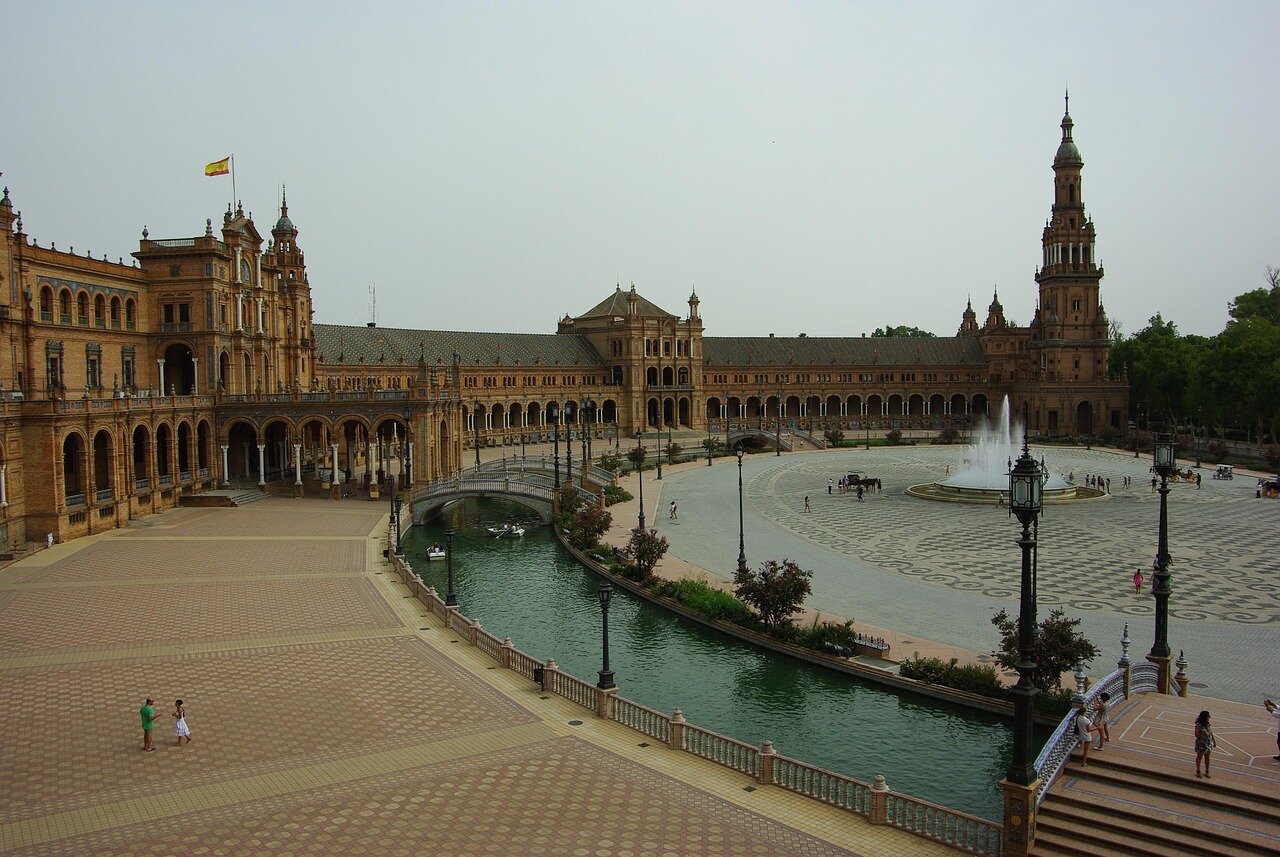
Understanding the financial landscape of LaLiga
LaLiga, the top professional football division in Spain, has long been a battleground for financial management and governance among its clubs. The economic disparities between clubs have been a recurring theme, with larger clubs like Real Madrid and FC Barcelona historically dominating the revenue landscape due to their global brand appeal and lucrative broadcasting deals. This situation has created a competitive imbalance, leading to tensions among clubs regarding financial regulations and allocations.
In recent years, LaLiga has implemented various financial regulations aimed at ensuring the sustainability of clubs and preventing excessive debt. However, these measures have not been without controversy. The approval of financial accounts is a critical aspect of governance within the league, and dissenting votes from clubs like Real Madrid and Rayo Vallecano highlight the ongoing disputes over financial transparency and equity among member clubs. The dynamic surrounding player leadership can also affect these issues, as shown by critics of Araujo’s captaincy.
The recent vote against LaLiga’s financial accounts by Real Madrid and Rayo Vallecano signifies a deeper concern regarding the distribution of revenues and financial practices within the league. Real Madrid, as one of the most successful and wealthiest clubs globally, often advocates for reforms that promote greater financial fairness, while Rayo Vallecano, a smaller club, emphasizes the need for accountability and equitable treatment in financial dealings.
Key Milestones in LaLiga’s Financial Evolution
Several key events have shaped the financial landscape of LaLiga. The introduction of the ‘Financial Fair Play’ regulations by UEFA in 2011 aimed to curb excessive spending by clubs, prompting LaLiga to adapt its own financial rules. Additionally, the controversial television rights deal in 2015, which allowed clubs to negotiate their own broadcasting agreements, further widened the financial gap between the elite clubs and smaller teams. These milestones reflect the ongoing challenges and complexities within the league’s financial ecosystem.

Key issues surrounding the opposition from Real Madrid and Rayo
The recent decision by Real Madrid and Rayo Vallecano to vote against the financial accounts presented by LaLiga has sparked considerable debate among stakeholders in Spanish football. Both clubs represent distinct interests within the league, highlighting the complexities of financial governance in professional sports.
Real Madrid, as one of the most prestigious clubs in the world, has a vested interest in maintaining the integrity and financial health of LaLiga. Their opposition may stem from concerns about transparency and the equitable distribution of funds among clubs. On the other hand, Rayo Vallecano, a smaller club with fewer resources, may be advocating for greater financial support and a more balanced competitive landscape.
The key issues at play include:
- Financial Transparency: The need for clear and accountable financial reporting within LaLiga to ensure all clubs can operate sustainably.
- Equitable Revenue Distribution: The ongoing debate over how broadcasting revenues and other financial resources are shared among clubs, which can disproportionately benefit larger teams.
- Competitive Balance: Concerns that financial disparities may hinder the ability of smaller clubs to compete effectively, impacting the overall competitiveness of the league.
- Legal Implications: Potential legal challenges arising from financial governance issues, particularly if clubs feel that their rights or interests are being undermined.
As these discussions unfold, the differing perspectives of Real Madrid and Rayo Vallecano will likely influence future negotiations and policy decisions within LaLiga. The outcome of these debates could have significant implications for the structure and financial health of Spanish football as a whole.

Potential consequences for LaLiga and its member clubs
The recent dissent from Real Madrid and Rayo Vallecano regarding LaLiga’s financial accounts has significant implications for various stakeholders within the football ecosystem. This situation primarily affects the clubs themselves, as well as their fans, sponsors, and the broader sports industry in Spain. With two of the league’s most prominent teams voicing their concerns, the ripple effect could influence the operational dynamics of LaLiga and its member clubs.
In the short term, the rejection of the accounts may lead to increased scrutiny of LaLiga’s financial management and governance practices. This could result in a temporary loss of confidence among sponsors and investors, potentially impacting revenue streams for clubs reliant on commercial partnerships. Fans may also feel a sense of unrest, as financial instability could affect player acquisitions and overall club performance.
Mid-term impacts may include shifts in policy as LaLiga seeks to address the concerns raised by Real Madrid and Rayo. This could lead to reforms aimed at increasing transparency and accountability in financial reporting. While these changes may pose challenges, they also present opportunities for clubs to advocate for more equitable financial distributions, which could benefit smaller teams within the league.
- Increased scrutiny: Potential for enhanced financial oversight within LaLiga.
- Loss of confidence: Sponsors and investors may reassess their commitments.
- Policy reforms: Opportunities for clubs to push for more equitable financial practices.
- Fan unrest: Potential dissatisfaction among supporters regarding club management.
Ultimately, the dissent from Real Madrid and Rayo Vallecano could serve as a catalyst for significant change within LaLiga. While it presents certain risks, it also opens the door for constructive dialogue about the future of football finance in Spain, potentially leading to a more sustainable and equitable model for all clubs involved.

A: Real Madrid and Rayo expressed concerns regarding the transparency and accuracy of the financial reports presented by LaLiga, believing that they do not reflect the true financial health of the league. A: The opposition from these clubs may lead to increased scrutiny of LaLiga’s financial practices and could prompt discussions on governance reforms within the league. A: LaLiga’s financial accounts are reviewed annually, and clubs have the opportunity to vote on their approval during the league’s general assembly. A: If the accounts are not approved, it could lead to significant ramifications for LaLiga, including potential legal challenges and a loss of trust among stakeholders. A: While Real Madrid and Rayo are the only clubs to vote against the accounts, other clubs have previously voiced concerns about financial transparency in LaLiga.
Frequently asked questions about the voting against LaLiga’s accounts
Key takeaways and future outlook for LaLiga’s financial governance
The recent decision by Real Madrid and Rayo Vallecano to vote against LaLiga’s financial accounts highlights ongoing tensions within Spanish football’s governance. This dissent underscores the complexities of financial management in a league that is grappling with economic challenges while striving for competitive balance. The implications of this vote may extend beyond immediate financial assessments, suggesting a need for greater transparency and collaboration among clubs.
As LaLiga navigates its financial landscape, the reactions from other clubs and stakeholders will be critical. The potential for reform in governance structures could emerge, as clubs seek to align their financial strategies with long-term sustainability and competitiveness.
- The dissent from Real Madrid and Rayo may prompt discussions on the need for more inclusive financial decision-making processes within LaLiga.
- Increased scrutiny of financial practices may lead to reforms aimed at enhancing transparency and accountability among clubs.
- Other clubs may reassess their financial strategies in response to the contrasting views on LaLiga’s financial health.
- The situation could catalyze a broader dialogue on revenue distribution and its impact on competitive balance in the league.
- Monitoring the reactions of key stakeholders will be essential to understand the potential shifts in LaLiga’s governance framework.