Clubs such as Manchester United and Liverpool continue to draw massive crowds, with Old Trafford and Anfield regularly filling to their respective capacities of approximately 74,000 and 54,000. Additionally, newly promoted teams like Luton Town and Burnley have also reported impressive turnout numbers, demonstrating the enduring allure of top-flight football in England. For further insights on club performances, check out Carra’s picks for the Premier League team of the season so far.
The Premier League’s strong attendance figures are not only a testament to fan loyalty but also have significant financial implications. Higher attendance leads to increased revenue from ticket sales, concessions, and merchandise, which can be reinvested into club facilities and player acquisitions. This economic boost is crucial for maintaining competitive balance among clubs, especially in a league renowned for its unpredictability. To understand more about club dynamics, you might find the recent article on the West Ham crisis and EFL roundup interesting.
Moreover, the ongoing enthusiasm for live football matches highlights the cultural importance of the Premier League within the UK and beyond. Fans are eager to return to stadiums, and the atmosphere generated during matches contributes to the overall experience of the sport. This season’s attendance figures thus reflect not just numbers, but a vibrant community of supporters who are integral to the league’s identity. For more context on international tournaments, check the AFC draws for Champions League Two.
The history of attendance trends in the Premier League
Since its inception in 1992, the Premier League has been a focal point of English football, drawing fans from around the globe. The league’s establishment marked a significant shift in the football landscape, allowing clubs to negotiate their own television rights and leading to a surge in revenue. This financial boost enabled teams to improve facilities and attract top talent, which in turn enhanced the matchday experience for fans, contributing to consistently high attendance figures.
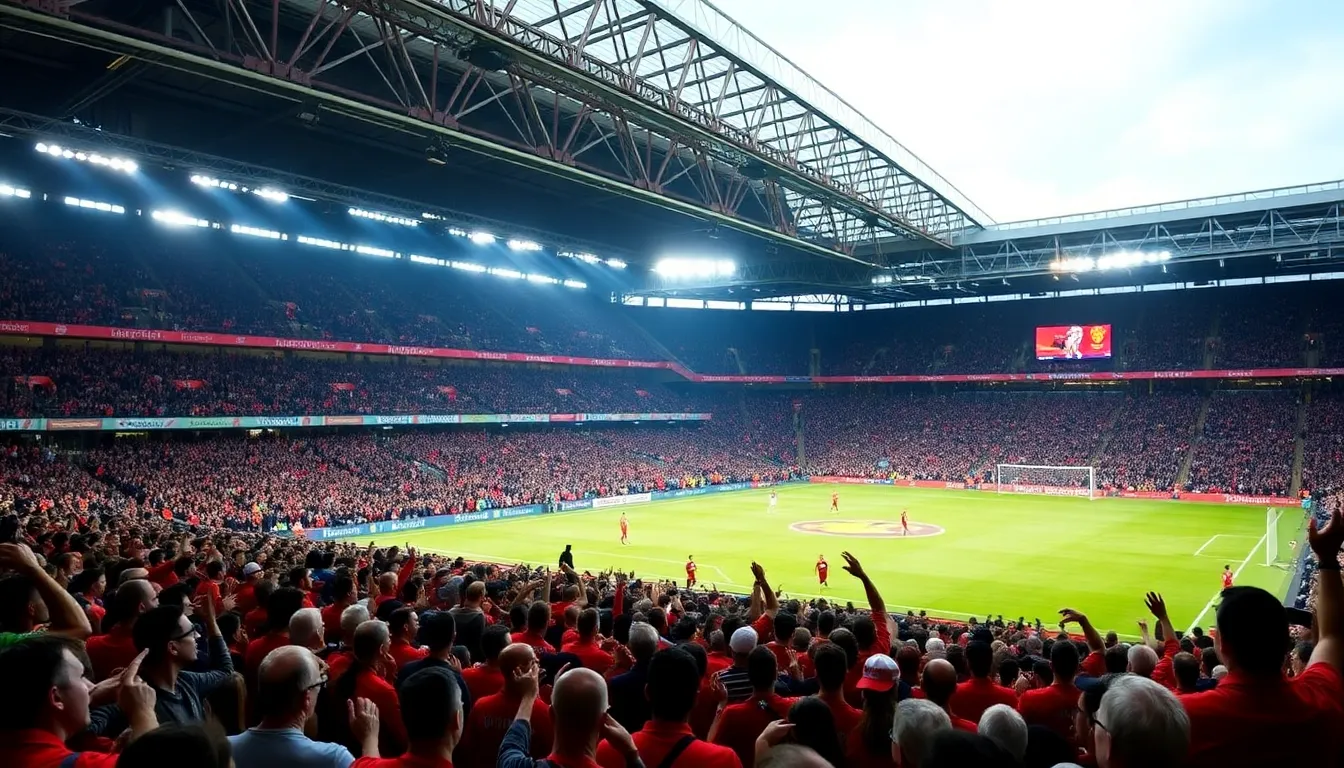
Historically, attendance at football matches in England has fluctuated based on various factors, including economic conditions and club performance. During the late 1980s and early 1990s, attendance was declining due to several factors, including rising ticket prices and a series of high-profile disasters, such as the Hillsborough tragedy in 1989. However, the formation of the Premier League brought a renewed sense of optimism, and attendance began to rise steadily as clubs invested in infrastructure and safety measures.
In recent years, the Premier League has seen record attendance figures, with many clubs regularly filling their stadiums. The introduction of all-seater stadiums and improved facilities has made attending matches more appealing. Additionally, the global reach of the Premier League has attracted a diverse fanbase, with international audiences tuning in and influencing local attendance through tourism and matchday experiences.
Key milestones in attendance growth
Several key milestones have marked the growth of attendance in the Premier League. The introduction of the Premier League in 1992 itself was a turning point, as clubs began to modernize their stadiums. The 2000s saw the expansion of stadium capacities, with clubs like Arsenal moving to the Emirates Stadium and Manchester City to the Etihad Stadium. Furthermore, the impact of social media and digital engagement has allowed clubs to connect with fans more effectively, driving interest and participation in live matches.
As of now, the Premier League continues to thrive, with average attendances remaining strong despite challenges such as the COVID-19 pandemic, which temporarily disrupted the league. Clubs have adapted to these challenges, implementing measures to ensure fan safety and comfort, which has helped to maintain high attendance levels as fans return to the stands.
Key factors contributing to high attendance rates
The Premier League continues to experience robust attendance figures, with stadiums often filled to capacity. This trend can be attributed to a variety of stakeholders and their respective interests, including clubs, fans, sponsors, and local governments.

Clubs are primarily driven by the need to maximize revenue through ticket sales, merchandise, and concessions. High attendance not only boosts financial performance but also enhances the club’s brand visibility and marketability. Additionally, clubs are focused on creating an engaging matchday experience that encourages fans to attend regularly, fostering loyalty and community support.
Fans play a crucial role in this dynamic, as their passion for the sport translates into consistent attendance. Supporters are motivated by the desire to witness live matches, connect with fellow fans, and support their teams in person. The emotional and social aspects of attending games are significant, influencing their commitment to attending matches regardless of the team’s performance.
Local governments and municipalities also have vested interests in maintaining high attendance rates. They often view successful sporting events as a means to stimulate local economies through increased tourism, hospitality, and related business activities. As such, they may implement policies or provide incentives to support clubs and improve infrastructure around stadiums.
- Economic impact of matchdays on local businesses.
- Investment in stadium facilities to enhance the fan experience.
- Community engagement initiatives by clubs to strengthen ties with local populations.
- Potential conflicts over ticket pricing and accessibility for lower-income fans.
- Regulatory considerations regarding safety and crowd management at venues.
How strong attendance affects clubs and local economies
Strong attendance figures in the Premier League significantly influence various groups, including local businesses, fans, and the clubs themselves. The influx of spectators not only boosts club revenues through ticket sales but also enhances the economic activity in surrounding areas. Restaurants, hotels, and retail shops benefit from the increased foot traffic on match days, creating a ripple effect throughout the local economy.

In the short term, clubs can experience a surge in merchandise sales and hospitality bookings, leading to immediate financial gains. Local businesses may see increased patronage, resulting in higher sales and potential job creation. However, this also poses challenges, such as the need for improved infrastructure and transport services to accommodate the larger crowds.
In the mid-term, sustained high attendance rates can lead to long-term investments in stadium facilities and community projects. Clubs may focus on enhancing the fan experience, which could include better amenities and services. This commitment can strengthen community ties and foster a loyal fan base, ultimately contributing to the club’s stability and growth.
- Risks: Overreliance on match-day revenue can leave clubs vulnerable during economic downturns.
- Opportunities: Enhanced visibility and sponsorship deals may arise from strong attendance figures.
- Community Impact: Increased engagement with local initiatives can improve the club’s reputation and community relations.
As clubs navigate these dynamics, the balance between maximizing profits and maintaining a positive community impact will be crucial. The ongoing success of attendance figures not only shapes the future of the clubs but also the economic landscape of the regions they inhabit.
A: The current season has seen an average attendance of over 38,000 fans per match, reflecting strong support for the teams. A: This season’s attendances are on par with previous high seasons, indicating a consistent interest in the league. A: Several factors such as team performance, star players, and matchday experiences contribute to attendance rates. A: Clubs are implementing various initiatives, including family-friendly pricing and enhanced matchday experiences to attract more fans. A: Higher attendance directly boosts matchday revenues through ticket sales, concessions, and merchandise.
Frequently Asked Questions about Premier League Attendances
Future outlook on attendance trends in the Premier League
The sustained high attendance figures across Premier League matches indicate a robust engagement from fans, reflecting both loyalty and the enduring appeal of the league. As clubs continue to enhance their matchday experiences and invest in facilities, the potential for even greater attendance growth remains. This trend suggests not only a strong economic foundation for the league but also an opportunity for clubs to deepen their connection with supporters.
Looking ahead, several factors will influence attendance dynamics, including the impact of ticket pricing strategies, the ongoing evolution of fan engagement initiatives, and the potential effects of external economic conditions. Monitoring these elements will be crucial for understanding how attendance patterns may shift in the coming seasons.
- Clubs may explore flexible pricing models to accommodate varying economic conditions, which could impact overall attendance.
- Increased focus on enhancing the matchday experience could lead to higher retention rates of season ticket holders.
- Digital engagement strategies are likely to play a significant role in attracting younger audiences to live matches.
- Potential changes in broadcasting rights and their implications for matchday attendance should be closely observed.
- The ongoing recovery from the pandemic will continue to shape fan behaviors and preferences in the near future.