Key players have played pivotal roles in shaping their teams’ fortunes. For instance, Brighton’s standout performances from their young talents have drawn attention, while Villa’s resurgence under their new manager has reinvigorated their fan base. The impact of managerial changes, such as those at Chelsea and Manchester United, continues to resonate, as both clubs struggle to find consistency in their performances.
Injuries have also been a significant factor influencing team strategies and outcomes. Several clubs have faced setbacks due to key players sidelined, affecting their ability to compete at the highest level. This has led to increased reliance on squad depth, which is being tested as the season progresses; clubs need to ensure their players maintain optimal fitness to avoid issues similar to those faced during the past seasons.
As the season unfolds, the financial implications of relegation loom large for several teams. The battle to avoid the drop is intensifying, with clubs like Burnley and Sheffield United currently facing challenges. The stakes are high, as the financial repercussions of relegation can have long-lasting effects on club operations and player acquisitions.
Understanding the Context of This Season’s Premier League
The Premier League, established in 1992, has evolved into one of the most competitive and lucrative football leagues in the world. Over the years, it has attracted top talent from across the globe, significantly raising the profile of English football. This season, clubs are navigating a landscape shaped by both historical precedents and recent developments, including the impact of the COVID-19 pandemic and the financial implications of the ongoing war in Ukraine.
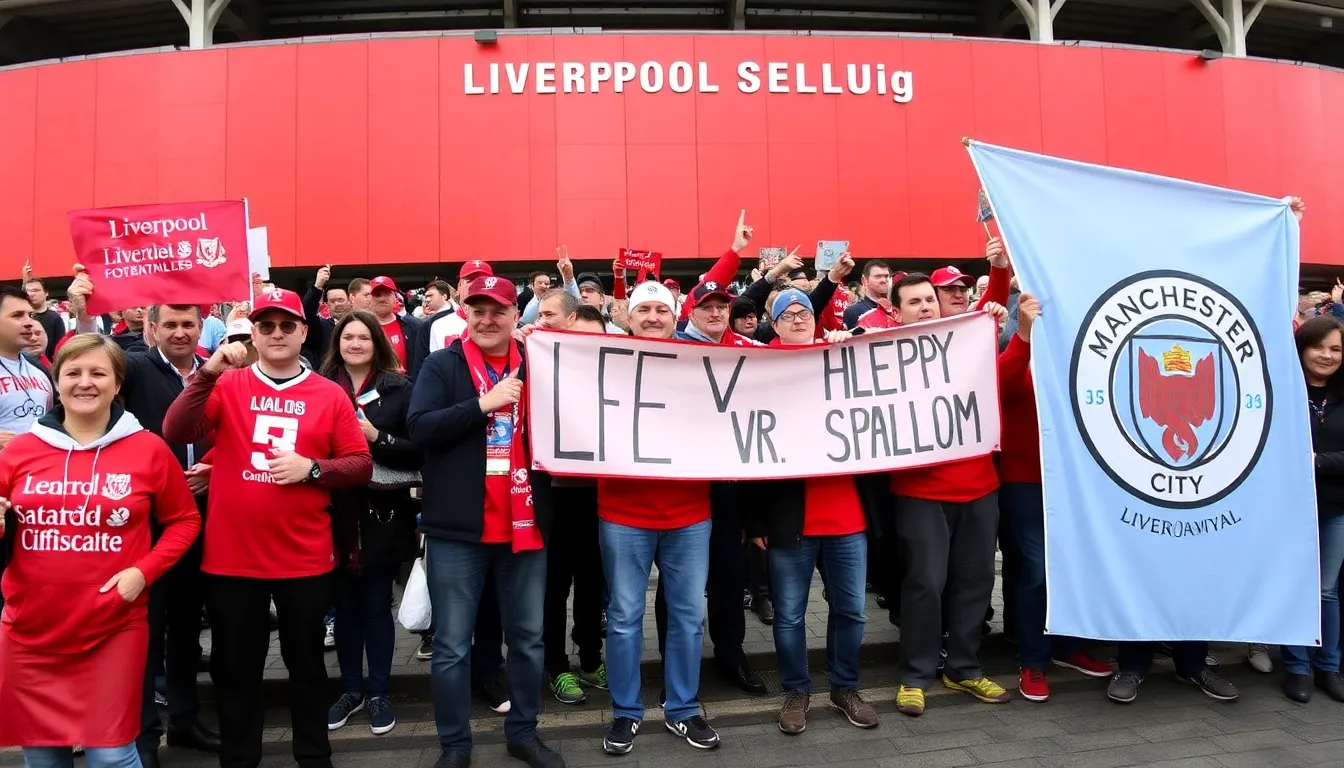
The financial aspect of the Premier League has always been a double-edged sword. While lucrative broadcasting deals and sponsorship agreements have allowed clubs to invest heavily in player acquisitions and infrastructure, they have also led to a widening gap between the elite teams and those struggling to keep pace. The rise of clubs like Manchester City and Chelsea, backed by wealthy owners, has changed the competitive dynamics of the league, raising questions about sustainability and fairness.
Key Milestones in Premier League History
Several key milestones have defined the Premier League’s trajectory. The introduction of the ‘Sky money’ in the early 1990s revolutionized the financial landscape, enabling clubs to attract world-class players. More recently, the introduction of VAR (Video Assistant Referee) has sparked debates about the integrity of officiating in the league. Each season brings its own stories of triumph and despair, as clubs battle not only for the title but also for survival in the top flight.
This season, the narrative has been further complicated by the effects of the pandemic, which forced clubs to adapt to changing circumstances, including fluctuating attendance and financial instability. As teams strive to find their footing, the lessons learned from previous seasons are more relevant than ever, influencing strategies both on and off the pitch.
Analysis of Key Stakeholders and Issues in the League
The Premier League features a diverse array of stakeholders, each with distinct interests and influences on the league’s dynamics. The primary actors include club owners, players, managers, fans, and broadcasters. Each group plays a crucial role in shaping the league’s landscape, contributing to both its financial success and its cultural significance.
Club owners often prioritize profitability and brand expansion, which can lead to conflicts with fans who seek a more traditional and community-focused experience. The increasing commercialization of the league raises questions about the balance between financial success and maintaining the sport’s integrity. For instance, the push for more lucrative broadcasting deals can sometimes overshadow the competitive balance that fans desire.
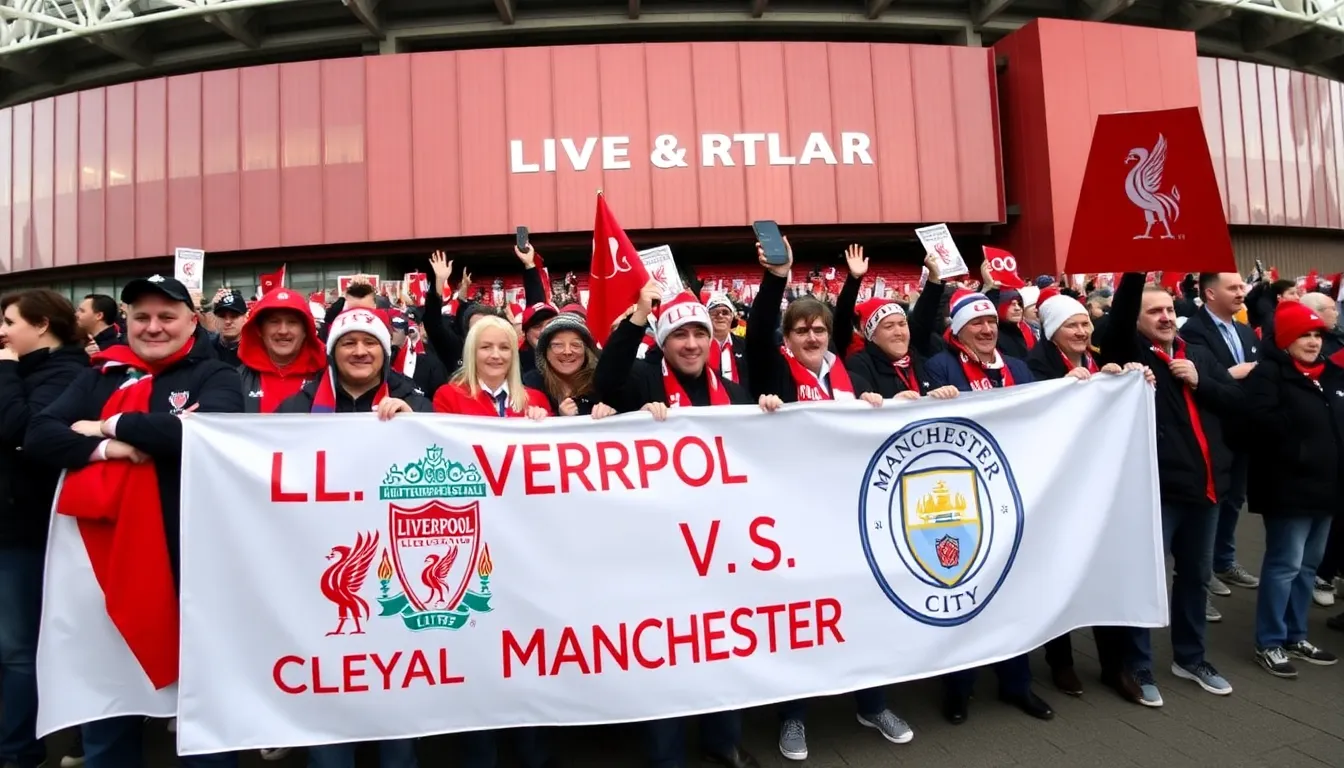
Players are another critical stakeholder group, as their performance directly impacts a club’s success and revenue. However, their interests can conflict with those of club management, particularly regarding contract negotiations and transfer policies. The ongoing debates about player welfare, particularly concerning fixture congestion and mental health, highlight the need for a more player-centric approach in league governance.
Additionally, the role of broadcasters cannot be overlooked, as they wield significant influence over scheduling and marketing strategies. The financial power of these media companies often dictates the direction of the league, leading to potential trade-offs between viewer engagement and the well-being of players and clubs. The following are key issues that arise from these relationships:
- The tension between commercial interests and fan engagement.
- Player welfare amid demanding schedules and media commitments.
- The impact of foreign investment on local clubs and communities.
- Balancing competitive fairness with financial disparities among clubs.
- The influence of broadcasting rights on match scheduling and club revenues.
Understanding these dynamics is essential for grasping the complexities of the Premier League and the various forces at play that shape its future direction.
Impact of Team Performances on Fans and Markets
The performances of Premier League teams this season have far-reaching effects on various groups, including fans, local businesses, and the broader sports industry. Each team’s success or failure resonates beyond the pitch, influencing economic activities and community engagement.
Fans, who are the lifeblood of the Premier League, experience a rollercoaster of emotions based on their teams’ performances. A successful season can lead to increased attendance at matches, higher merchandise sales, and a more vibrant fan culture. Conversely, poor performances can result in disappointment, reduced attendance, and a decline in local pub and restaurant revenues that thrive on matchday crowds.
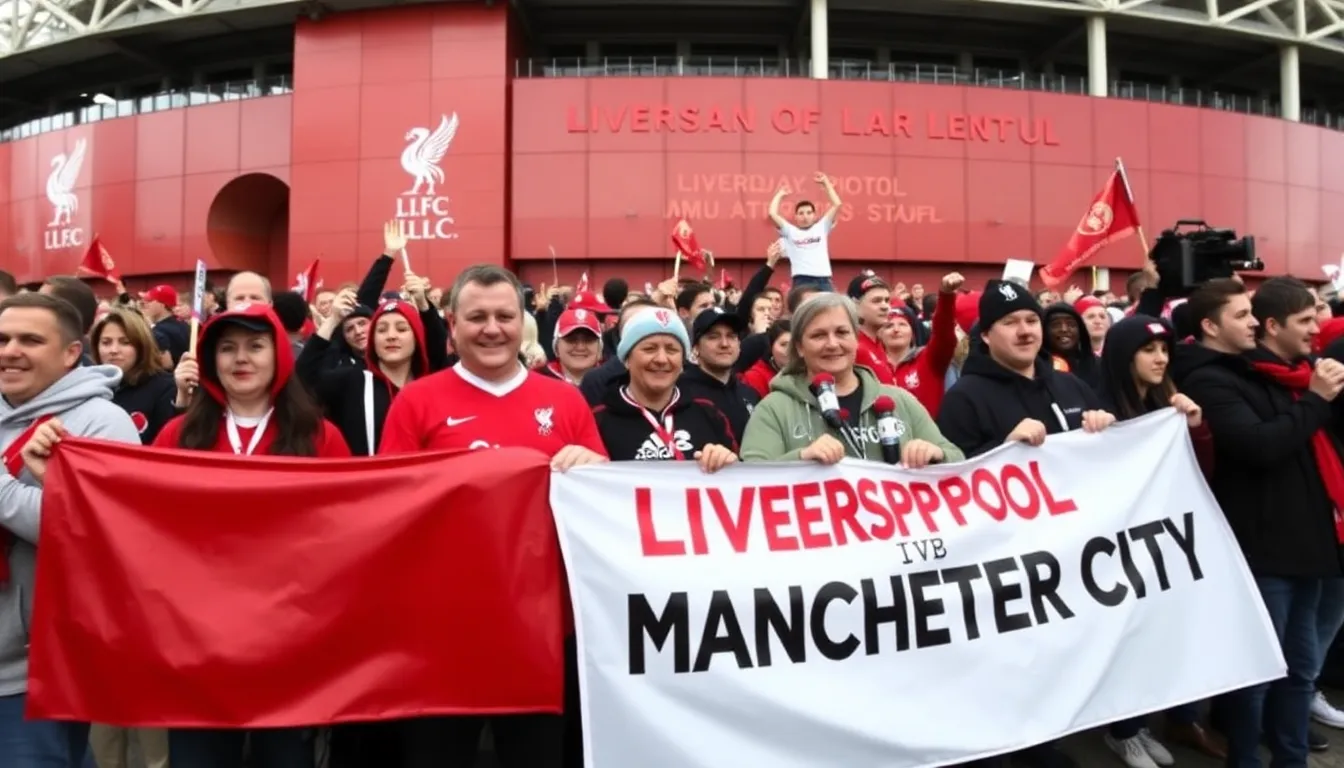
Local businesses, particularly those in areas surrounding stadiums, are directly affected by team performances. A winning team can boost foot traffic and sales, while a struggling team may lead to a downturn in business. This can have short-term impacts, such as immediate revenue losses, and mid-term effects, like potential layoffs or closures if the situation persists.
From a broader perspective, the Premier League’s performance influences media and sponsorship deals. A team that performs well can attract lucrative sponsorships and media rights, benefiting not only the club but also the league as a whole. This creates opportunities for investment in player development and community initiatives, which can foster long-term growth.
- Fans: Emotional investment and community engagement.
- Local Businesses: Revenue fluctuations based on team success.
- Media and Sponsorship: Financial opportunities tied to team performance.
However, the risks associated with underperforming teams can lead to a loss of trust among fans and sponsors. This could result in long-term damage to a club’s brand and financial stability, highlighting the delicate balance between performance and economic impact.
A: Some teams have exceeded expectations, such as Newcastle United, while others like Manchester United have struggled. These performances highlight the unpredictability of the league. A: Injuries have played a significant role, with key players missing crucial matches, impacting overall team dynamics and results. A: Many teams have adopted more aggressive pressing styles, while others have focused on solid defensive structures, reflecting a shift in tactical approaches across the league. A: Fan sentiment can heavily influence management, especially in terms of coaching changes and player signings, as clubs seek to align with their supporters’ expectations. A: The performances this season will likely dictate which players are targeted in the transfer window, with clubs looking to strengthen weaknesses exposed during the campaign.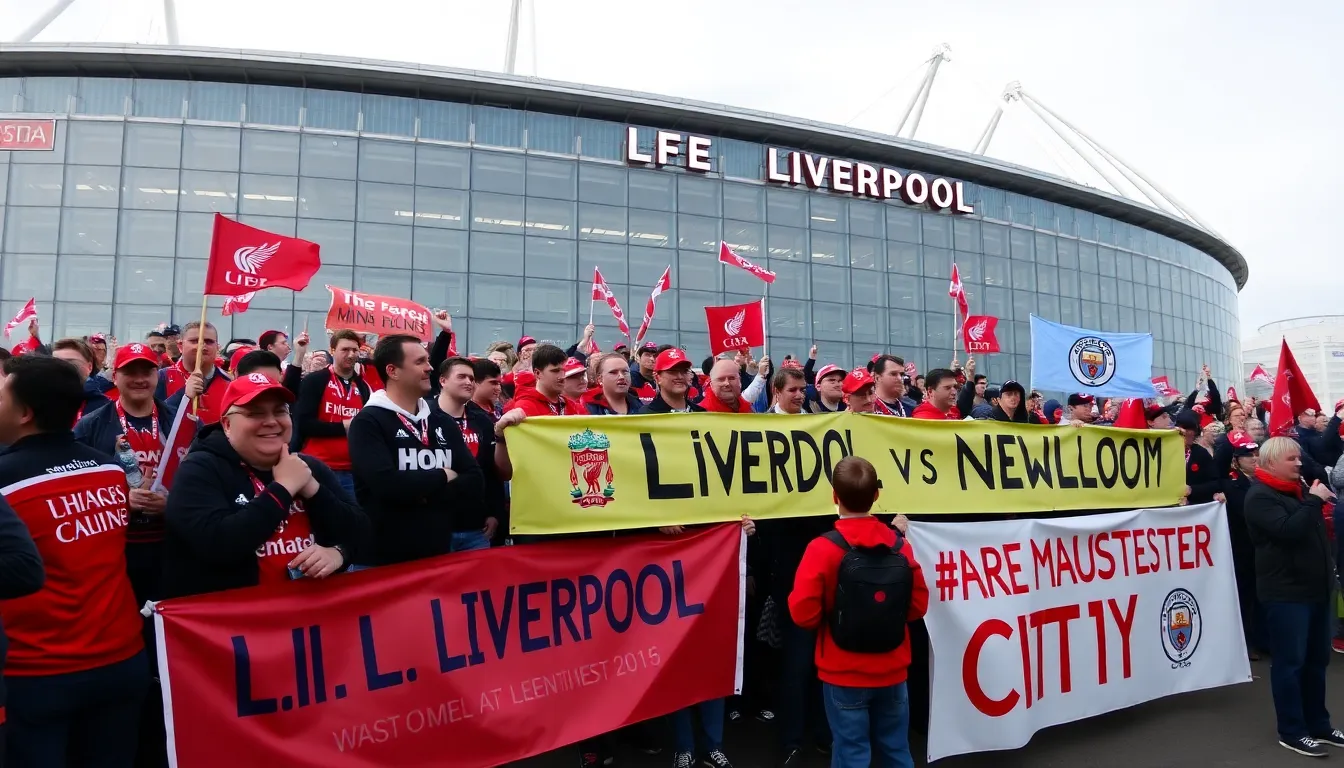
Frequently Asked Questions about the Premier League Insights
Key Takeaways and Future Outlook for the Premier League
This season has revealed the dynamic nature of the Premier League, showcasing the resilience and adaptability of teams across the board. As clubs continue to evolve in their strategies and approaches, several trends and insights have emerged that could shape the remainder of the season and beyond.
Looking ahead, it will be crucial to monitor how teams respond to the challenges posed by injuries, fixture congestion, and the ever-changing tactical landscape. The ability to innovate and adjust will be key for those aiming for success in both domestic and European competitions.
- Consistency is Key: Teams that maintain a steady level of performance will likely secure better positions in the league, highlighting the importance of squad depth and player fitness.
- Emerging Talent: Keep an eye on young players making their mark; they could become pivotal in their teams’ campaigns and influence transfer market dynamics.
- Tactical Flexibility: Coaches who can adapt their strategies in real-time will have a significant advantage, particularly in tightly contested matches.
- Home Advantage: The importance of home games remains pronounced, as teams look to leverage crowd support to gain crucial points.
- Impact of VAR: The ongoing debates surrounding VAR decisions will continue to shape match outcomes and fan perceptions, making it a focal point for discussions about the game.