Additionally, the 2023 FIFA Women’s World Cup showcased the growing popularity and competitiveness of women’s football, with teams from around the globe participating in a tournament that emphasized skill and athleticism. For more insights into this event, check out FIFA’s $100m education scheme enhances World Cup draw experience.
Beyond football, female athletes excelled in other arenas as well. The 2023 Women’s Tennis Association (WTA) tour saw several players, including Iga Swiatek and Aryna Sabalenka, achieving remarkable rankings and breaking records, further elevating the profile of women in tennis. Such achievements contribute to the increasing visibility of women’s sports.
The surge in women’s sports is also reflected in increased sponsorship deals and media coverage, which are vital for sustaining growth and visibility. Major brands are increasingly investing in women’s sports, recognizing the potential for both commercial success and social impact.
As these accomplishments continue to unfold, they not only celebrate the athletes’ hard work but also inspire future generations of women in sports, reinforcing the importance of equality and representation in athletics.
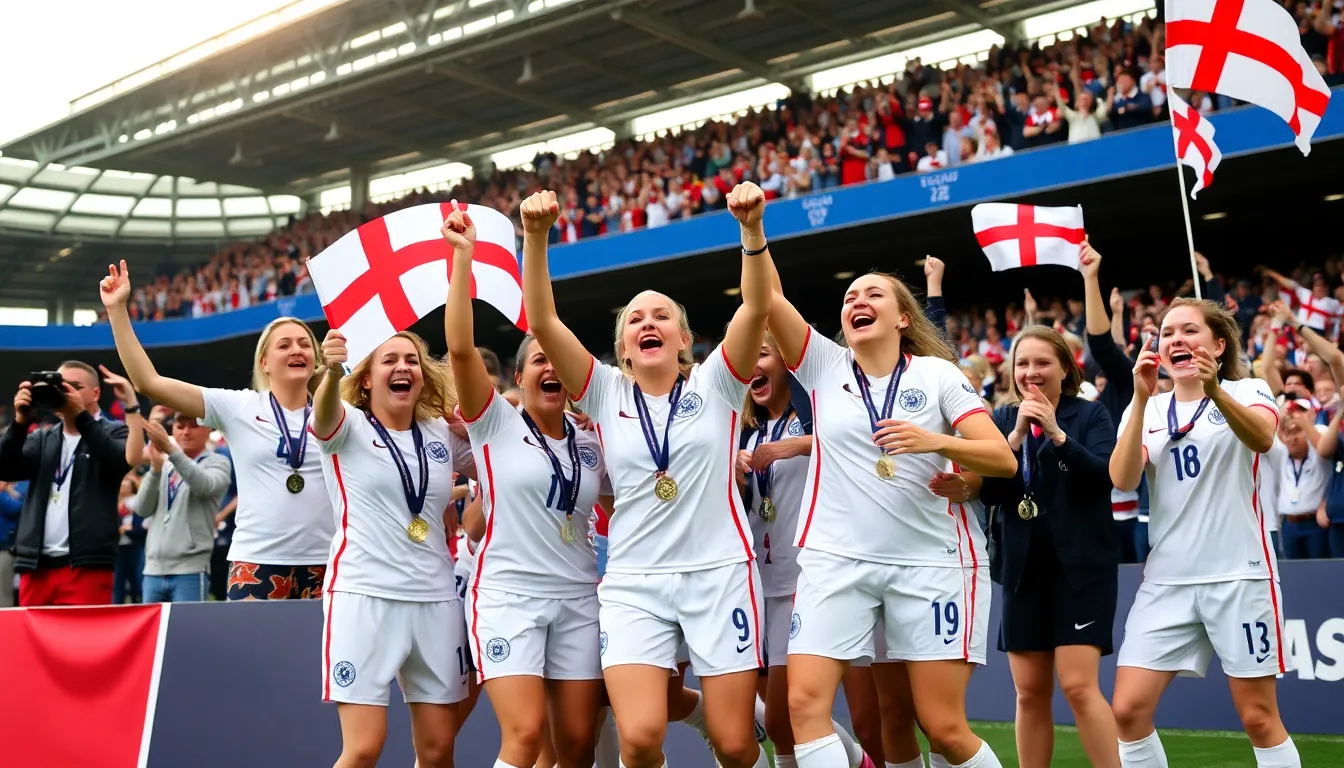
Historical context of women’s sports achievements
The landscape of women’s sports has undergone significant transformation over the past century, moving from a realm of limited opportunities and recognition to one marked by remarkable achievements and increased visibility. Historically, women’s participation in sports was often met with skepticism and societal resistance, with many believing that athletic competition was inappropriate for women. This perception began to shift in the late 20th century, particularly with the advent of Title IX in the United States in 1972, which mandated equal opportunities for women in educational programs, including athletics. Understanding the impact of legislation like Title IX is essential for grasping the current state of women’s sports.
As the women’s rights movement gained momentum in the 1960s and 1970s, female athletes began to advocate for their rights, pushing for equal pay, media coverage, and support. The establishment of professional leagues for women, such as the Women’s National Basketball Association (WNBA) in 1996 and the Women’s Soccer League in various countries, marked significant milestones in the fight for gender equality in sports. These developments not only provided platforms for female athletes but also encouraged younger generations to pursue sports with the hope of achieving their dreams.
Key milestones in women’s sports
Several landmark events have contributed to the current landscape of women’s sports. The 1996 Summer Olympics in Atlanta was a pivotal moment, as it was the first Olympics to feature women’s soccer and softball as medal events, showcasing female athletes on a global stage. Additionally, the success of the U.S. Women’s National Soccer Team, particularly their World Cup victories in 1999 and 2015, played a crucial role in elevating the profile of women’s sports and inspiring future generations.
In recent years, the conversation around women’s sports has gained further traction, with increased media coverage and sponsorship deals, reflecting a growing recognition of the commercial potential of women’s athletics. The record successes of female athletes in various disciplines, including track and field, tennis, and team sports, have solidified their place in the sporting world, culminating in a year of unprecedented achievements and glory for England, as female athletes continue to break barriers and set new standards in performance and professionalism.
Key stakeholders and issues surrounding women’s sports
The landscape of women’s sports has evolved significantly, with various stakeholders playing pivotal roles in its growth. Key actors include athletes, sports organizations, sponsors, and governmental bodies, each with distinct interests that shape the future of women’s sports. Athletes seek recognition, equal pay, and opportunities to compete at the highest levels, while sports organizations aim to enhance their visibility and profitability through women’s events.
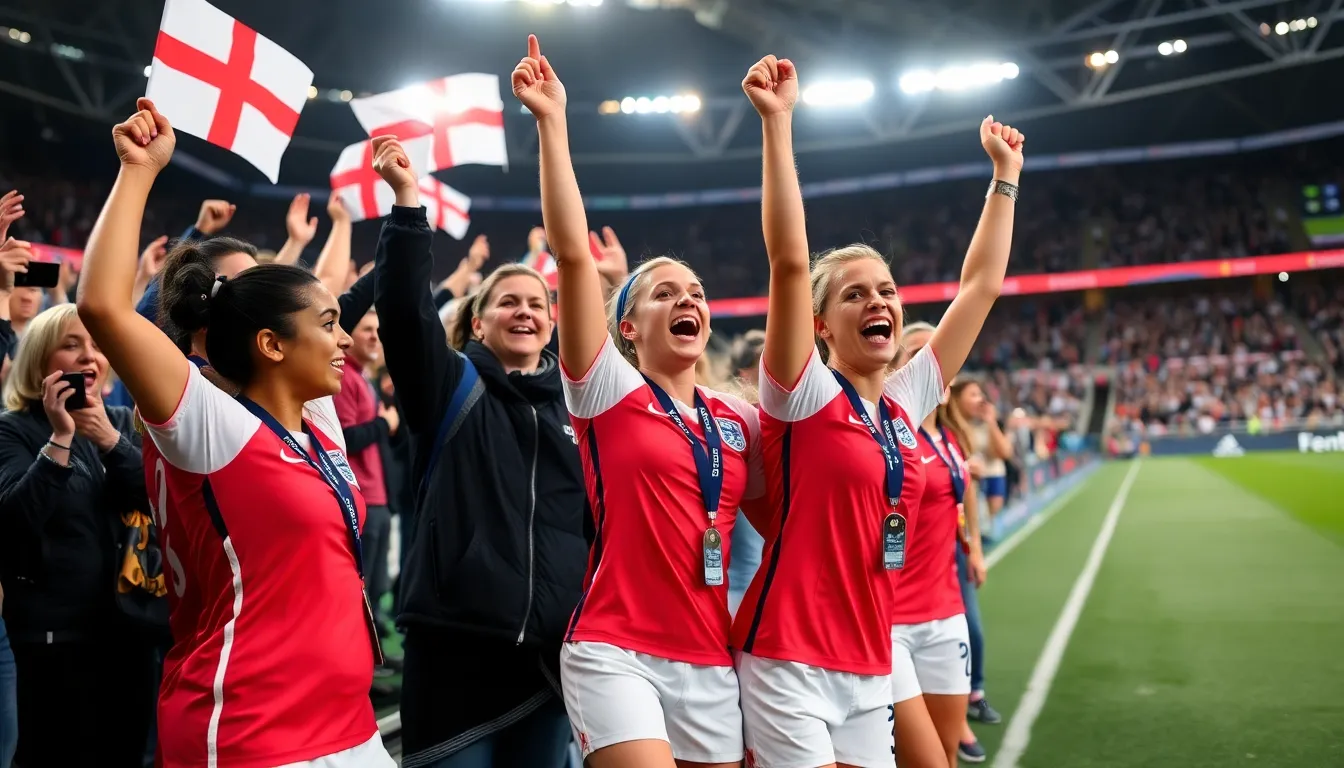
One of the primary conflicts arises from the disparities in funding and support between men’s and women’s sports. Despite record successes in women’s competitions, such as England’s recent triumphs, the financial backing often remains unequal. This trade-off affects everything from sponsorship deals to media coverage, creating a cycle that can hinder the growth of women’s sports.
Legal issues also play a significant role in the advancement of women’s sports. Legislation aimed at promoting gender equality in sports, such as Title IX in the United States, has had a profound impact, yet enforcement and compliance vary widely across different countries. This inconsistency can lead to disparities in how women’s sports are treated globally.
- Funding Disparities: Women’s sports often receive less financial support compared to men’s, affecting development and visibility.
- Media Representation: Limited coverage of women’s sports can hinder audience engagement and sponsorship opportunities.
- Legal Frameworks: Varying laws regarding gender equality in sports can create challenges for athletes and organizations seeking equity.
- Sponsorship Dynamics: Brands are increasingly recognizing the potential of women’s sports, but investment levels still lag behind men’s.
- Public Perception: Cultural attitudes towards women’s sports can influence participation rates and support from stakeholders.
Understanding these dynamics is crucial for comprehending the current state of women’s sports and the potential for future advancements. Stakeholders must navigate these complexities to foster an environment where women’s sports can thrive and achieve parity with their male counterparts.
The impact of these successes on athletes and the market
The recent record successes in women’s sports, particularly highlighted by England’s achievements, have far-reaching effects on various groups and industries. Athletes, sports organizations, sponsors, and even local communities are experiencing a shift in dynamics that promises to reshape the landscape of women’s sports.
In the short term, the surge in visibility and success of women’s sports is likely to lead to increased participation rates among young girls. Schools and local sports clubs may see a rise in female enrollment in sports programs, fostering a new generation of athletes. This grassroots movement can also stimulate local economies as more events and activities are organized to support these initiatives.
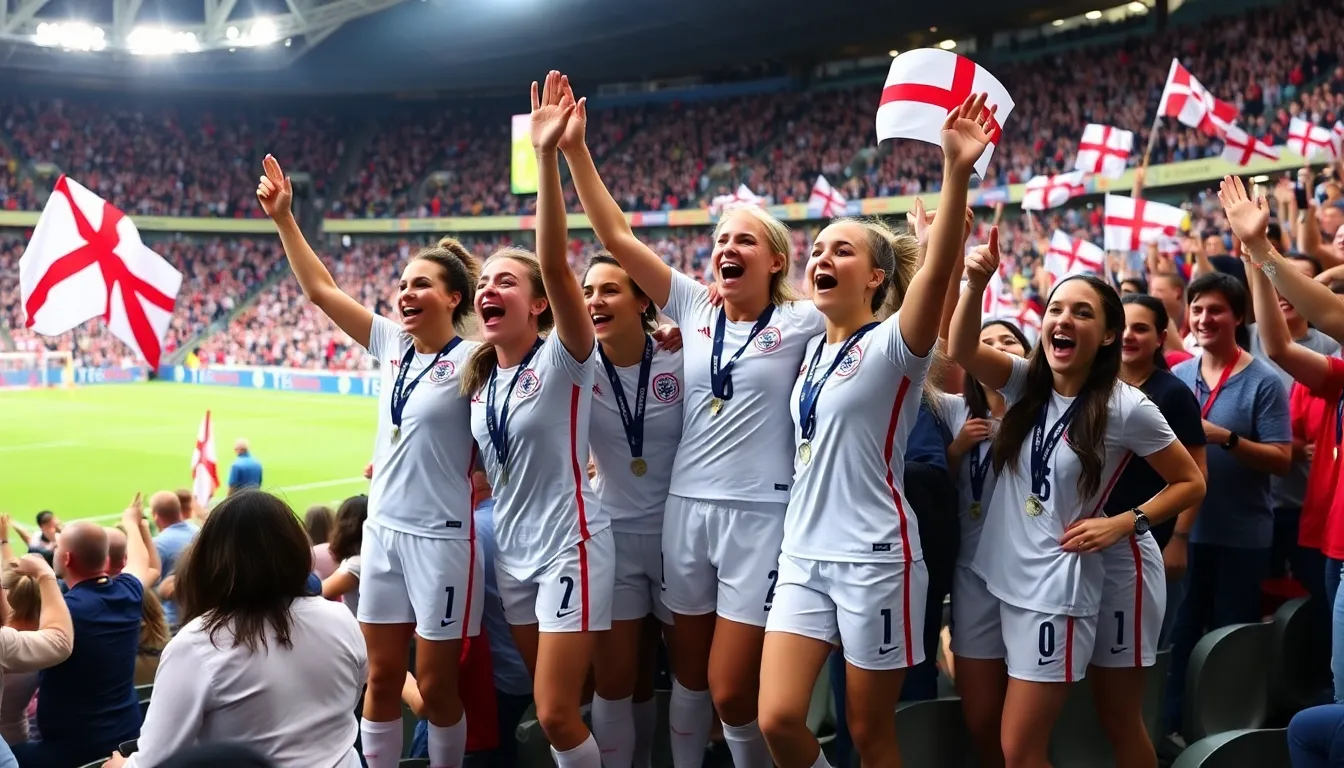
From a business perspective, companies that invest in women’s sports are poised to benefit significantly. Sponsorship deals and merchandise sales are expected to rise as brands seek to align themselves with the growing popularity and success of female athletes. This shift could lead to increased funding for women’s teams and leagues, creating a more balanced sports ecosystem.
- Increased media coverage of women’s sports can lead to greater public interest and viewership.
- Policy changes may emerge as governments and organizations recognize the need for equitable funding and support for women’s sports.
- Local businesses could see a boost as events draw crowds and increase demand for services.
However, there are also risks associated with this rapid growth. If the momentum is not sustained, there is a danger that interest could wane, leading to a decline in investment and support. Additionally, the pressure on female athletes to perform at high levels can lead to burnout and mental health challenges.
In the mid-term, if the current trend continues, we may see a structural change in how women’s sports are perceived and funded. This could lead to more equitable policies and practices within sports organizations, ultimately benefiting athletes and fans alike. The potential for a more inclusive sports culture presents opportunities for innovation and engagement across multiple sectors.
A: This year saw several landmark victories, including England’s success in the UEFA Women’s Euro and numerous records broken in athletics and other sports. A: There has been a significant increase in media coverage, leading to greater visibility and support for women’s sports, which has contributed to their growth. A: Despite progress, challenges such as funding disparities, sponsorship issues, and media representation still persist and need to be addressed. A: Fans can support women’s sports by attending events, engaging on social media, and advocating for equal opportunities in sports. A: These successes inspire young athletes and contribute to a cultural shift towards greater acceptance and encouragement of women in sports.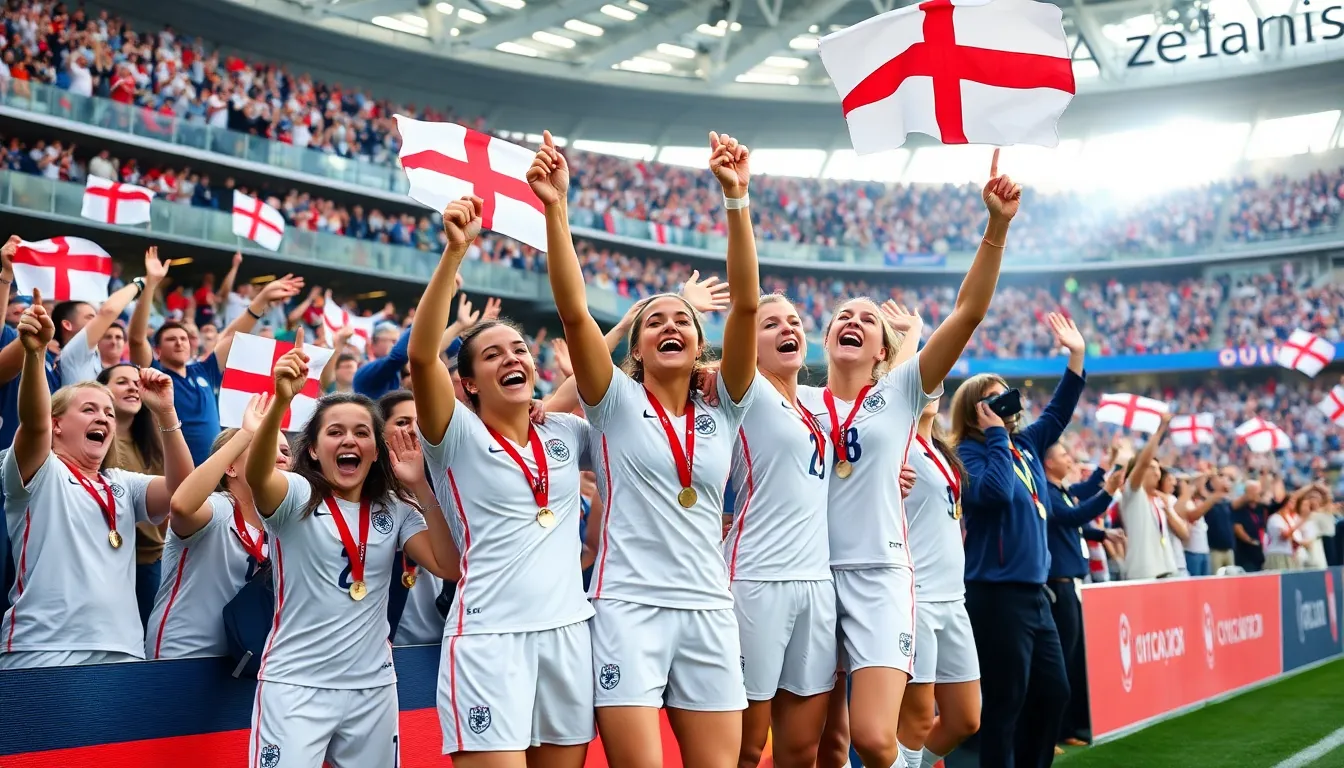
Frequently asked questions about women’s sports
Key takeaways and future outlook for women’s sports
This year has marked a significant turning point for women’s sports, highlighted by record successes and a triumphant performance from England. The growing visibility and support for female athletes suggest that the momentum will continue to build, leading to greater opportunities and recognition. As we look ahead, the implications of this success extend beyond the field, influencing cultural perceptions and inspiring future generations of female athletes.
Continued investment in women’s sports, both at the grassroots and professional levels, will be crucial. Stakeholders, including sponsors and governing bodies, must recognize the potential for growth and the importance of fostering an inclusive environment. The achievements of this year serve as a foundation for further advancements in equity and representation.
- Increased media coverage will likely enhance the visibility of women’s sports, attracting more fans and sponsors.
- Grassroots programs are expected to expand, encouraging young girls to participate in sports from an early age.
- Professional leagues may see a rise in investment, leading to improved facilities and support for female athletes.
- Collaborations between organizations can foster a unified approach to promoting women’s sports on a global scale.
- Success stories from this year will inspire a new generation of female athletes, potentially leading to a surge in participation and competition levels.